If you lived in a city with a high incidence of fatalities due to house fires, and had the chance to fix the problem, what would you do — invent better fire trucks?
For Dr Andrew Conrad, biologist and Chief Executive Officer of biotech start-up Verily, Alphabet’s life sciences and healthcare arm, the answer is simple: install a smoke detector in every house to enable early detection and prevention of a fire.
“Having a smoke detector go off before a fire [even] starts is a much easier [situation to be in] than having to put out a fire,” he explains.
Verily develops tools and platforms to collect health data with the aim of detecting, improving the management of and, ultimately, preventing diseases. The company’s mission is reflective of an ongoing shift in healthcare — from a reactive “sick care” system that waits until people are ill before kicking into action, to a proactive and preemptive one.
Researchers can now sequence a whole genome for US$1,000 in as little as one hour
Doctor Data: Right Treatment, Right Patient, Right Time
With rapid advancements in healthcare technology and data tracking today, however, researchers may soon be able to predict, treat and even prevent the onset of chronic diseases.
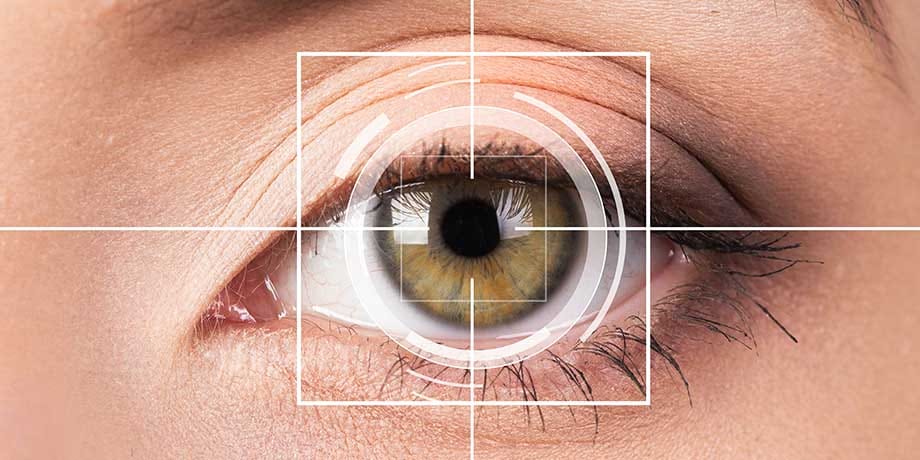
All eyes are now on researchers from Verily, who have teamed up with camera maker Nikon to improve the screening process for diabetic retinopathy and diabetic macular edema — two leading causes of blindness in adults. Based on estimates from the World Health Organization, diabetic retinopathy alone accounted for vision loss in almost five million people worldwide in 2002.
To tackle these debilitating diseases, both companies are exploring the use of machine learning and retinal imaging technologies to detect these diabetic-related eye diseases in their early stages. Through earlier diagnosis and intervention, the technology could potentially prevent blindness for certain diabetic patients.
Bringing targeted treatment to complex and chronic diseases like cancer, biotech start-up SEngine Precision Medicine has developed a platform that can make personalised drug recommendations for 70 percent of cancer patients, up from 10 percent currently, by sequencing their DNA.
Known as precision medicine, this data-driven approach for disease treatment and prevention, tailored to the genes, environment and lifestyle of each individual, is already making headway in healthcare.
Cancer survivor Zach Witt, who was diagnosed with lymphoma at the age of five, is one such patient who has benefitted from precision medicine. The 14-year-old American experienced a cancer relapse while undergoing chemotherapy. Nevertheless, through genetic testing, his doctors were able to prescribe an experimental form of targeted therapy. Zach remains cancer-free to this day.
Cancer survivor Zach Witt is one such patient who has benefitted from precision medicine
With precision medicine, the hope is that we will one day be able to stop the development of chronic diseases in the nick of time.
“Those who test positive for a genetic risk [can take preemptive action by] engaging in enhanced screening, risk-reducing surgery or chemo prevention,” said cancer researcher Susan Vadaparampil in an interview with the American Cancer Society.
Self-Care: The Promise of Data-Driven Healthcare
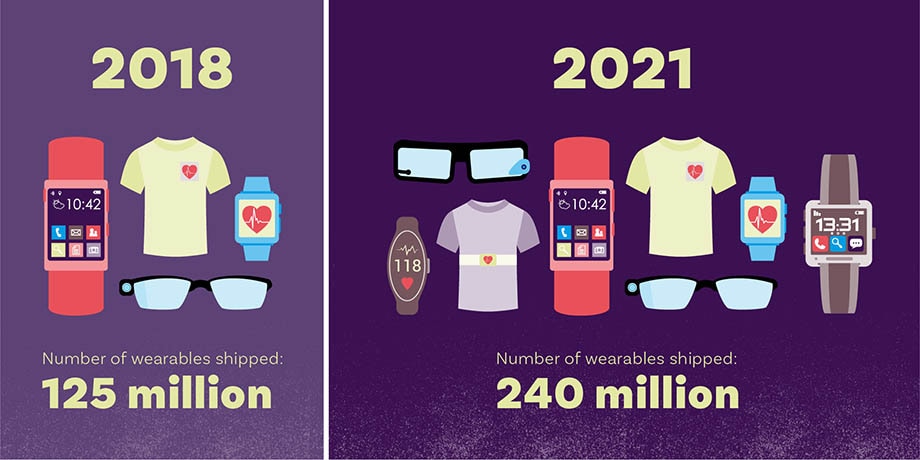
Aside from improving the way that healthcare is delivered, data-driven technologies are also helping to promote proactive and preemptive patient care by placing healthcare in the palms of patients.
California-based start-up VitalConnect has developed a cutting-edge wearable biosensor that when attached to a patient’s chest is said to be able to detect deteriorations in a patient’s health and remotely alert doctors who can then intervene before it is too late.
Some hospitals have also started testing telehealth platforms that allow patients to undergo rehabilitation at their preferred time and place through the use of wearable sensors and remote monitoring by therapists.
These lightweight patches allow doctors to monitor a patient’s vitals — wherever they may be
Explaining the benefits of data-driven healthcare technology, Dr Conrad says that the amount of information collected, interpreted and applied through connected medical devices has the potential to transform healthcare delivery from reactionary care to preventive care.
“The long-term mission is to collect as much data as possible, organise the information and transmit them to [the patient or doctor]. This could lead to early detection, prevention and more precise interventions.”
Temasek is an investor in Verily.