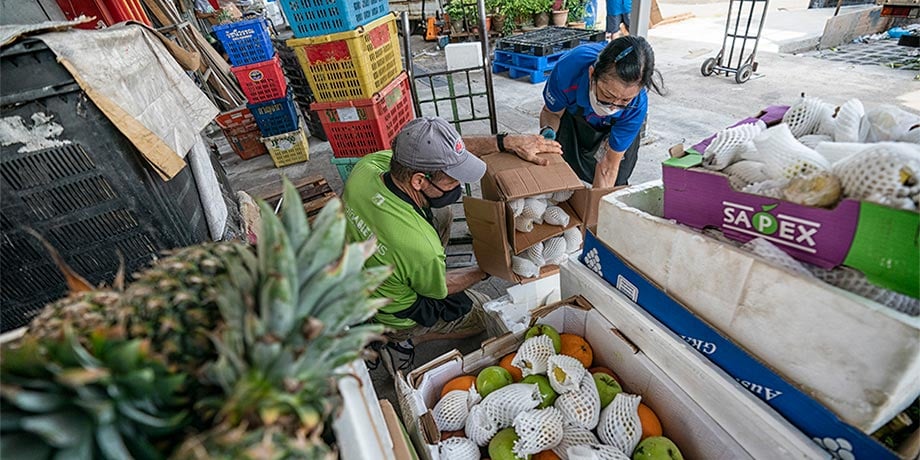
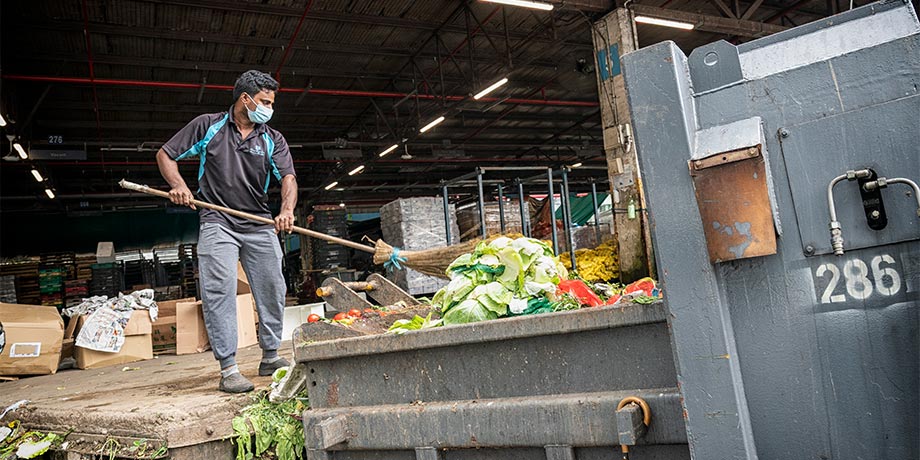
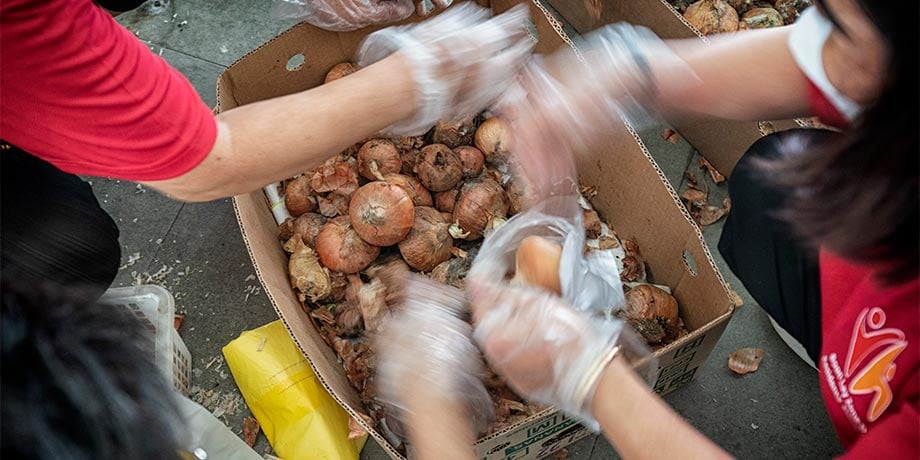
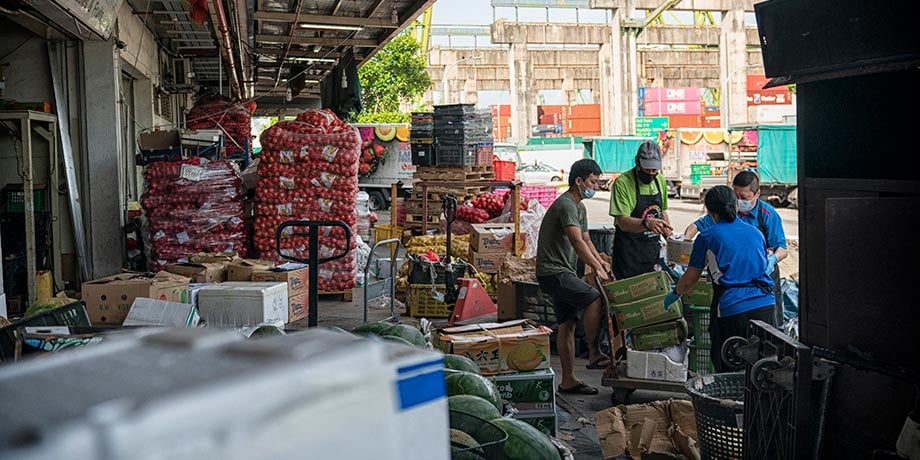
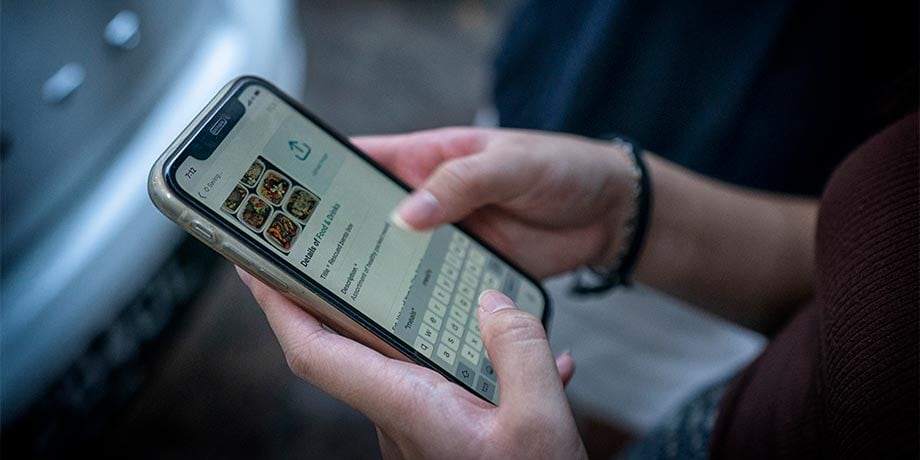
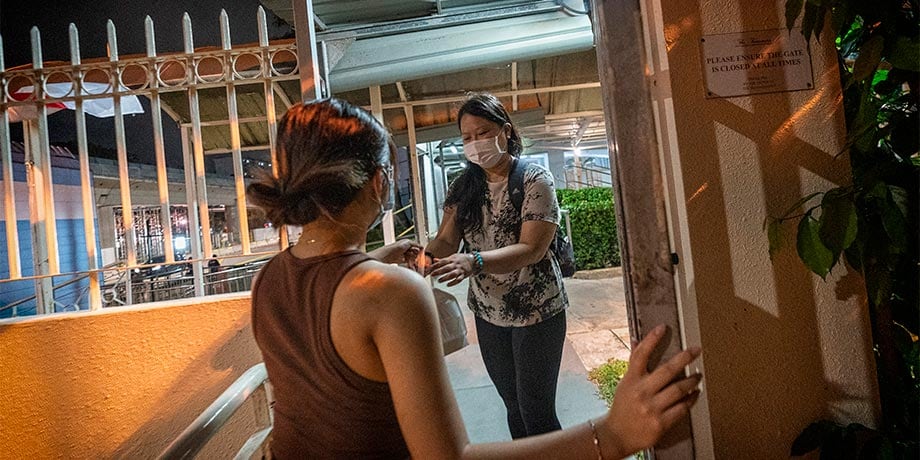
D2L’s data helps businesses better understand their waste patterns, and tweak their operations to manage their production and inventory.
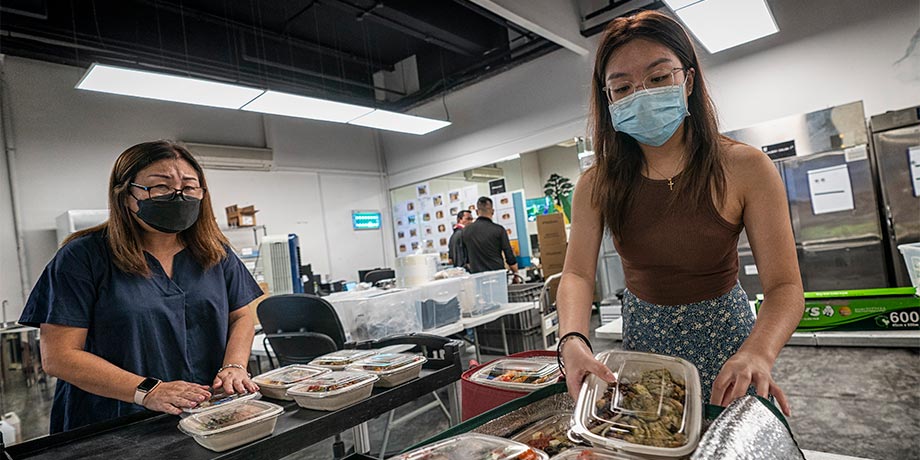
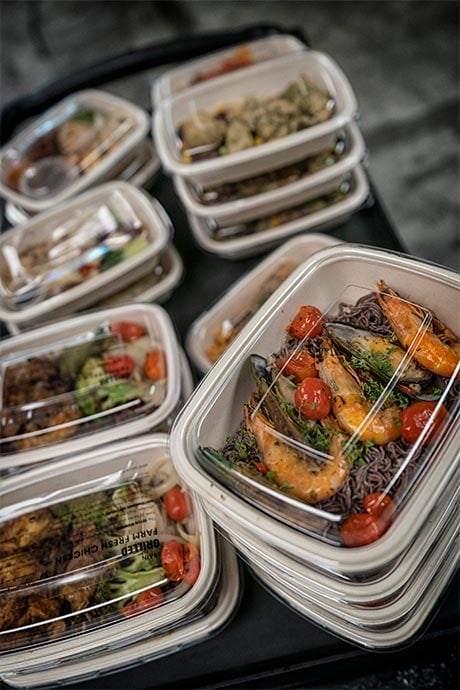
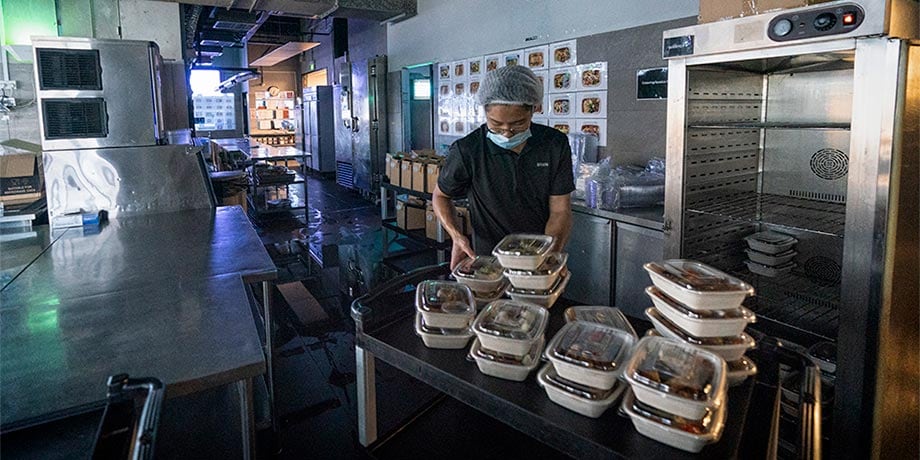
Take catering service Grain, which supplies buffets and on-demand meal boxes. To cope with sudden orders, it tends to prepare extra meals in advance.
Mr Zane Neo, the company’s marketing executive, said it does its best to encourage customers to place advance orders to avoid a surplus, even so: “It’s almost impossible to predict order cancellations or wrong delivery. Human error results in packing or assembly errors that can also lead to wastage.” To mitigate waste, Grain distributes the 10 to 15 leftover meal boxes it generates daily through D2L. Eventually, it hopes to move to a wholly pre-order model.
With rising food prices, Mr Neo observes attitudes changing among staff.
“We are more conscious of the food going to waste, and more mindful of making sure that food is treated with care,” he said. “Both customers and businesses have to be conscious of their decision to reduce waste. Having the government on board would be a big help in the push toward food rescuing and reducing wastage.”
Meanwhile, other businesses are finding alternative uses for its food waste.
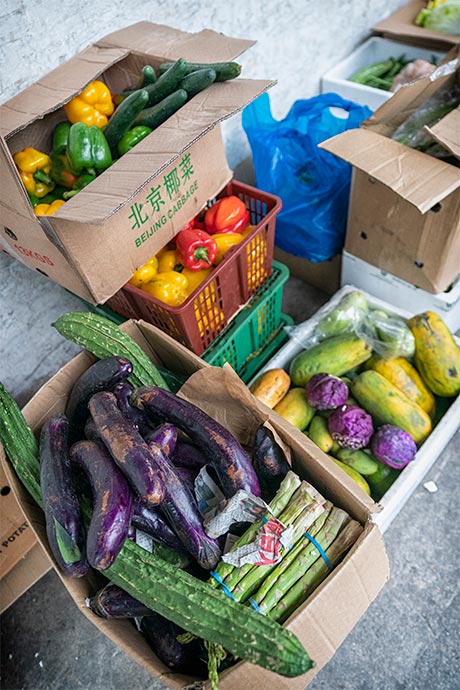
Ms Pang Gek Teng, co-founder of Surrey Hills Grocer, said working with D2L to track all food rescued has reduced the grocer’s initial weekly food waste of 70kg to about 30kg. She has no qualms offering food instead of disposing of it, as she would prefer that her business is known for being environmentally conscious.
“We only give to the food rescuers items and fruits and vegetables we are proud to bring home to our families. That's the condition that we want them to be in,” she said.
What’s more, the Australian gourmet grocer is turning some of its waste into food for animals. “We actually have an upcoming concept to create a pet grocer. We are trying to use all these bones and offcuts to make human-grade, pet-friendly treats, which we are pretty much anticipating and excited about.”
And, she’s not waiting for a top-down call to action to get others on board. “It starts from yourself and the small community, the people you work with, your closest friends and the home environment.”