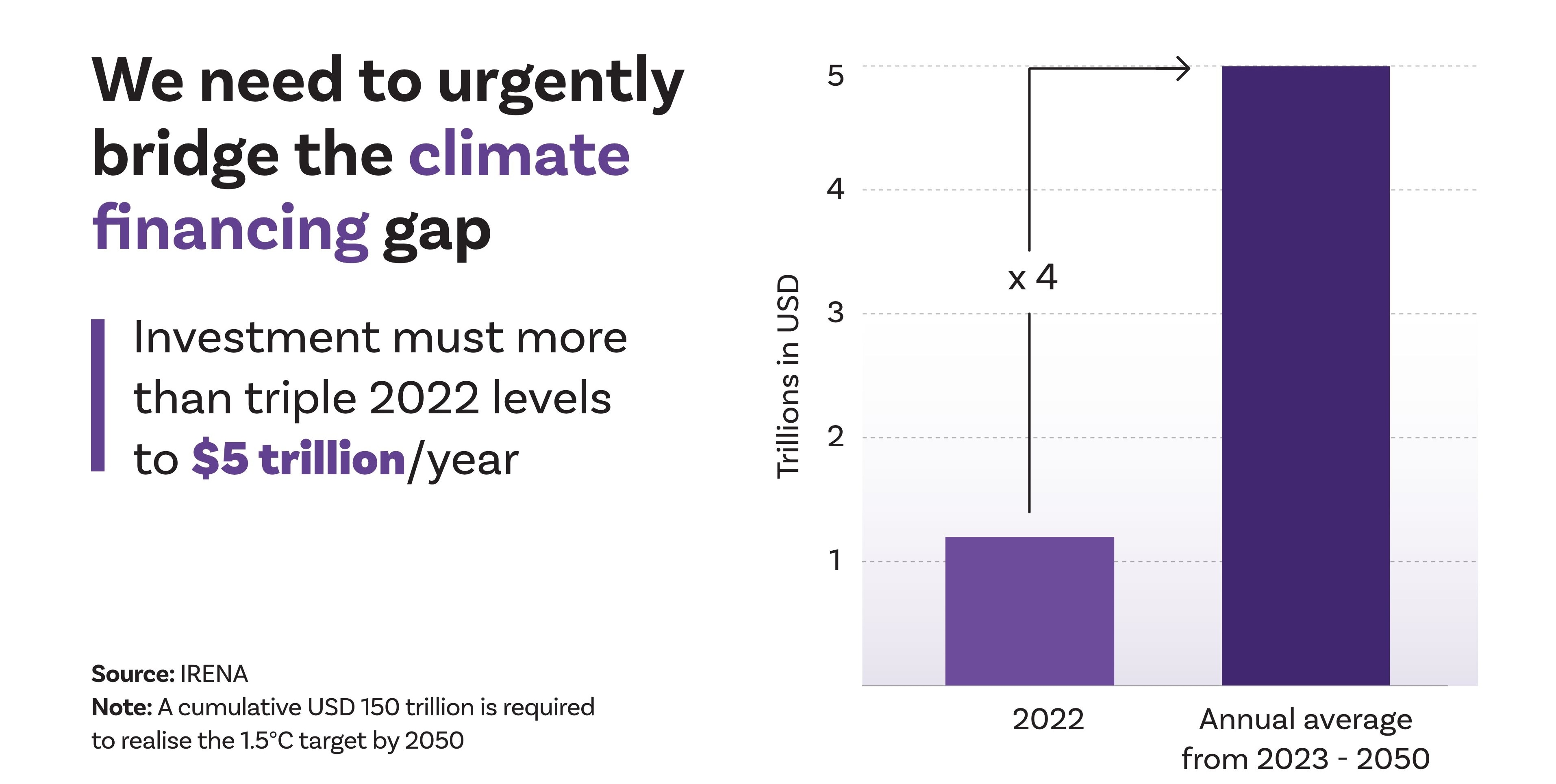
Asia is not on track to deliver its 2030 climate targets. According to the Southeast Asia’s Green Economy 2023 Report, Southeast Asia alone will need over US$1.5 trillion in investment to meet its target of reducing emissions by a third by 2030 – far above the US$ 5.2 billion reported in 2022.
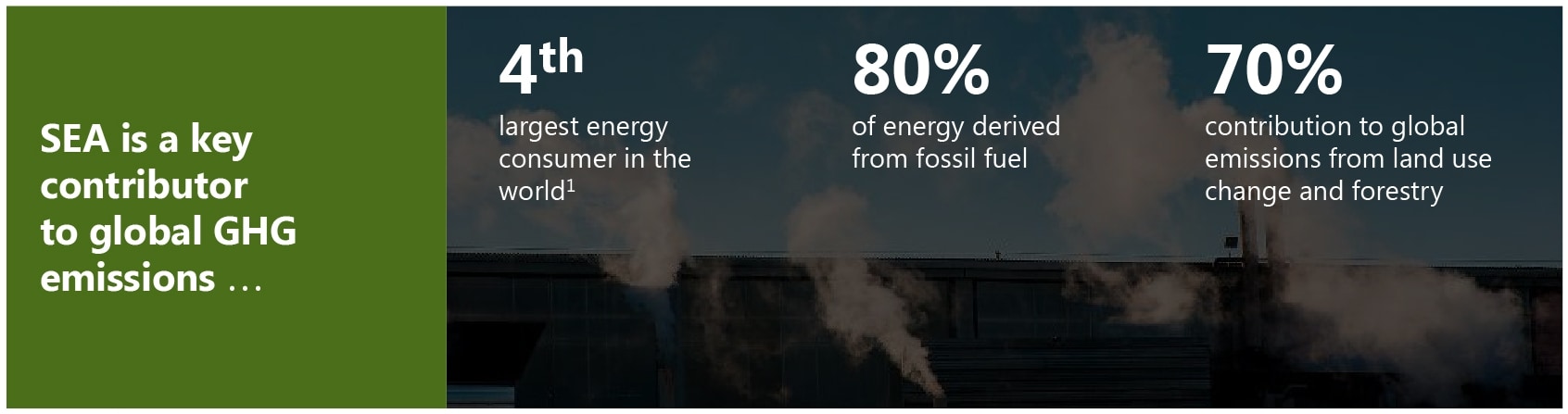
The Asian region is especially important to the world’s fight against climate change, as it accounts for half of global carbon emissions and produces about 85% of its energy from fossil fuels. It is imperative for Asia to grow the amount of funding and the ways in which that funding is deployed if we are going to meet critical climate targets.
In Asia as elsewhere, the green transition faces challenging constraints such as limited access to private capital and the marginal “bankability” of many infrastructure projects that would contribute to the clean energy revolution. Even though many investors have both enthusiasm and potential to shift investments towards more sustainable infrastructure, they cite challenges such as high capital costs, constraints on market access, insufficient investment returns and uncertainty about policy direction.
Closing the financing gap will require Asia to grow its climate financing toolbox and use innovative means to accelerate its green and just transition. Collaborating with stakeholders including government, business, the financial and investment sectors, and civil society at the COP meetings will help Temasek shape the climate finance sector and catalyse deals that will provide both a significant boost in the fight against climate change and bankable investor returns.
Innovative financing tools
The climate crisis cannot be tackled by any single entity. When different sources of finance work together – including governments, private sector, multilateral development banks, international financial institutions, and concessional finance – they can create powerful synergies.
At Temasek, we believe in collaborating with like-minded stakeholders to form strategic partnerships, augmenting our capabilities with those of partners and collaborators to create solutions and scale investment.
Many countries across Asia have great potential to shift their energy production towards renewable sources. The barriers to doing so can be overcome when different stakeholders work together. For example, last year, Temasek and HSBC established Pentagreen Capital to deploy blended finance for marginally bankable infrastructure projects in renewable energy, energy storage, clean transport, and the water and waste management sectors across Southeast Asia.