Asia continues to evolve rapidly. The inaugural Asia Food Challenge report highlighted that the region’s growing population, rising affluence and changing consumer demands presented an investment opportunity worth up to US$800 billion over the next decade.
Today, that figure has increased, with an additional US$750 billion investment needed by 2030 to meet the fast-changing demands of Asia’s consumers. In fact, people in the region are expected to spend over US$4 trillion on food over the next 10 years — almost 60% of which will be driven by shifts in food trends.
How can agri-food corporates, startups and investors fully unlock the investment potential presented by Asia’s diverse markets and multi-faceted consumers? Here are three key insights from The Asia Food Challenge: Understanding the New Asian Consumer, the latest joint report we have released with PwC and Rabobank.
1. Asian Consumers Want Tasty, Fresh, Traceable and Sustainable Food
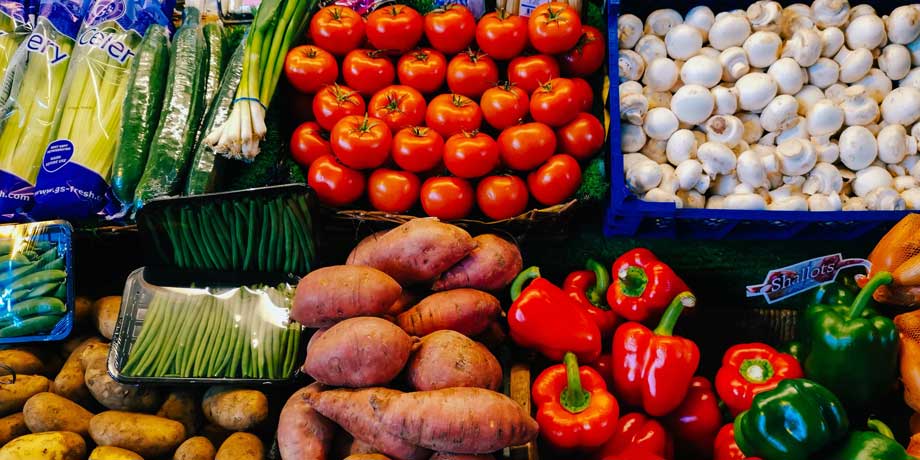
While consumers in each market have unique preferences, there is common ground when it comes to the factors that affect food choice. Taste is “king” across all markets and will remain so for the foreseeable future. Freshness — seen as locally-sourced produce by many consumers — is also a top consideration. In Southeast Asia, for example, research shows that people in Indonesia, Thailand, Singapore, and Myanmar prioritise freshness over price.
To fulfil this demand, agri-food companies will have to expedite the farm-to-table process or find ways to improve the shelf life of their products. This can be achieved through a more efficient cold chain infrastructure, direct sourcing from farms, or innovative packaging.
"The future for alternative proteins in Asia is very bright,” says Anuj Maheshwari, Managing Director of Agribusiness, Temasek. “According to a report by Bloomberg, the plant-based foods market could be worth over US$162 billion globally — with Asia making up more than half of that share by 2030.”
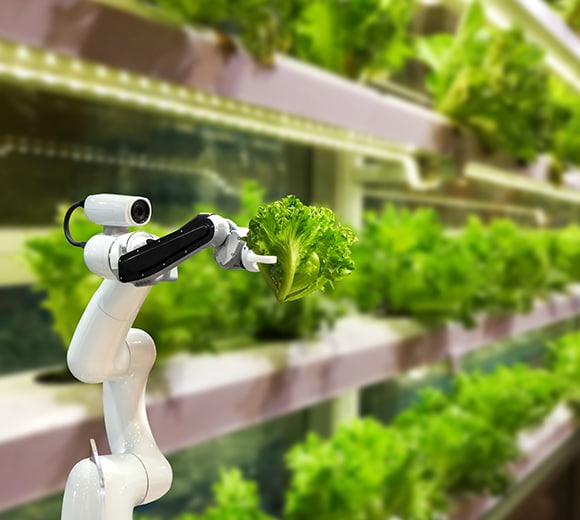
However, agri-tech companies may face obstacles in scaling up. One example is the high cost of innovative food products. Partnerships with other agri-food players, like co-manufacturers and distributors, could solve this problem. Such collaboration can help agri-tech companies expand and bring costs down, making the price of their products more competitive.
Maheshwari agrees that partnerships between startups and big corporates is key. “Startups should focus on bringing innovative products to market, while big businesses should focus on scaling up and taking them to the masses,” he explains. “Successful partnerships will be the biggest driver of success in this sector.”
3. Food Journeys Will Continue to Be Digital
During the pandemic, many consumers turned to digital platforms to order food, groceries, and meal kits. These habits could remain post-pandemic, as technology advancements make it easier and more convenient for consumers to continue shopping online for food.
Unsurprisingly, online grocery sales are the fastest-growing category in Asia's retail e-commerce sector, with an expected compound annual growth rate (CAGR) of 30% between 2019 and 2024. Meanwhile, online food delivery platforms in Southeast Asia continue to experience strong growth. The increase in demand is likely bolstered by the proliferation of “super apps” such as Grab, which has diversified its portfolio from ride-hailing into online food delivery services GrabMart, GrabFood and GrabKitchen.
According to Ping Chew, Head of RaboResearch Food & Agribusiness, digital consumer touchpoints have been multiplying and that has changed consumption habits. “Companies now need to meet customer needs anytime, anywhere,” he says. “Businesses need to think about how to optimise their existing infrastructure in order to have an omnichannel presence.”
While COVID-19 has accelerated the shift to digital, innovations within supply chain management are the key drivers behind the growth of online food service providers. Such solutions enable them to meet consumer expectations of speed and freshness.
Companies in the agri-food industry should embrace this digitalisation and invest in solutions that allow them to meet the need for convenience. Retailers, for example, can better serve the new Asian palate by investing in cold chain logistics to improve freshness, implementing food traceability solutions, and developing digital grocery platforms.
Learn more about Asia’s multi-faceted consumers by downloading The Asia Food Challenge: Understanding the New Asian Consumer.
Temasek is an investor in Eat Just and Grab. Temasek is also a co-author of The Asia Food Challenge report, alongside PwC and Rabobank.