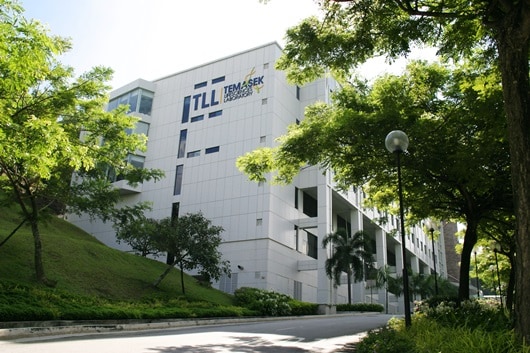
More than a decade ago, it has been postulated that Singapore and the world will be faced with several blooming crises. These can be seen as threats or in certain cases, opportunities. Temasek Life Sciences Laboratory (TLL) has been set up because of a belief that a country like Singapore, together with its neighbors, would be able to tap its human capital to build sustainable technological solutions to mitigate the impact of these crises and at the same time, initiate sustainable businesses brought forth by these technological solutions.
Over the last decade, TLL has demonstrated examples of how, in an industry where traditional strength lies in access land, labour, water can benefit from the infusion of technological solutions creating a new avenue for Singapore based companies and researchers to create an impact to society.
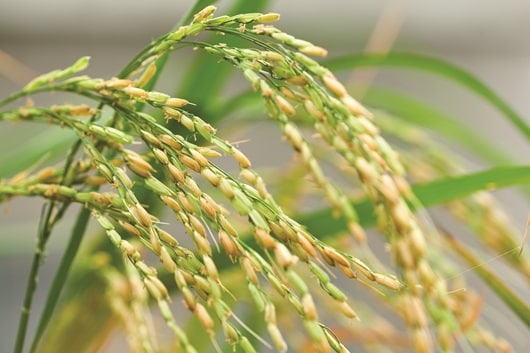
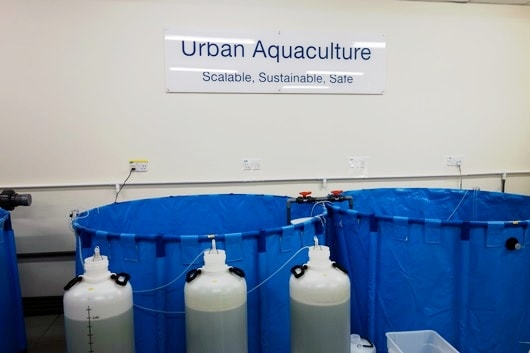
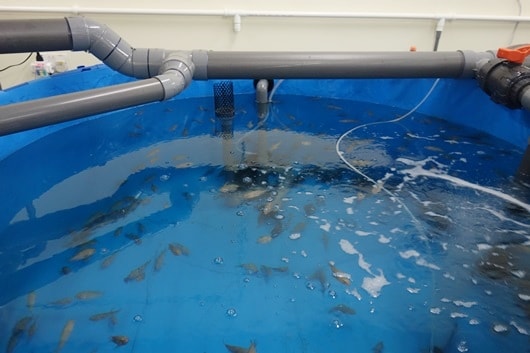
From agro to high-tech farming, technology has enabled agricultural-producing countries to overcome land and climate constraints. For countries like Singapore which are natural resources scarce, this means the potential to look to urban farming as a long-term and viable option in tackling food availability and security.
With urbanisation and industrialisation, coupled with the growing concern of climate change reducing the amount of land suitable for farming, technology helps to ensure global food security and sustainability for many generations to come.
Established in 2002, TLL is a beneficiary of Temasek Trust and has affiliations with the National University of Singapore and Nanyang Technological University. The research institute has about 240 researchers and 31 research groups working on both basic and strategic research programmes.
TLL focuses primarily on understanding the cellular mechanisms that underlie the development and physiology of plants, fungi and animals, which provides foundation for biotechnology innovation. This research provides scientists deeper insight into the biological basis of health and disease, and improves the quality of agricultural production.
The International Conference on Next Generation Genomic View on Plants, Animals and Microbes, which took place from 5 March to 7 March 2014, brought together scientists, industry leaders and researchers from around the world to exchange ideas and share their latest findings in the field of genomic studies.