Close

Sembcorp: Powering Singapore's Energy Transition

Sembcorp: Powering Singapore's Energy Transition

Minute Read 0 views

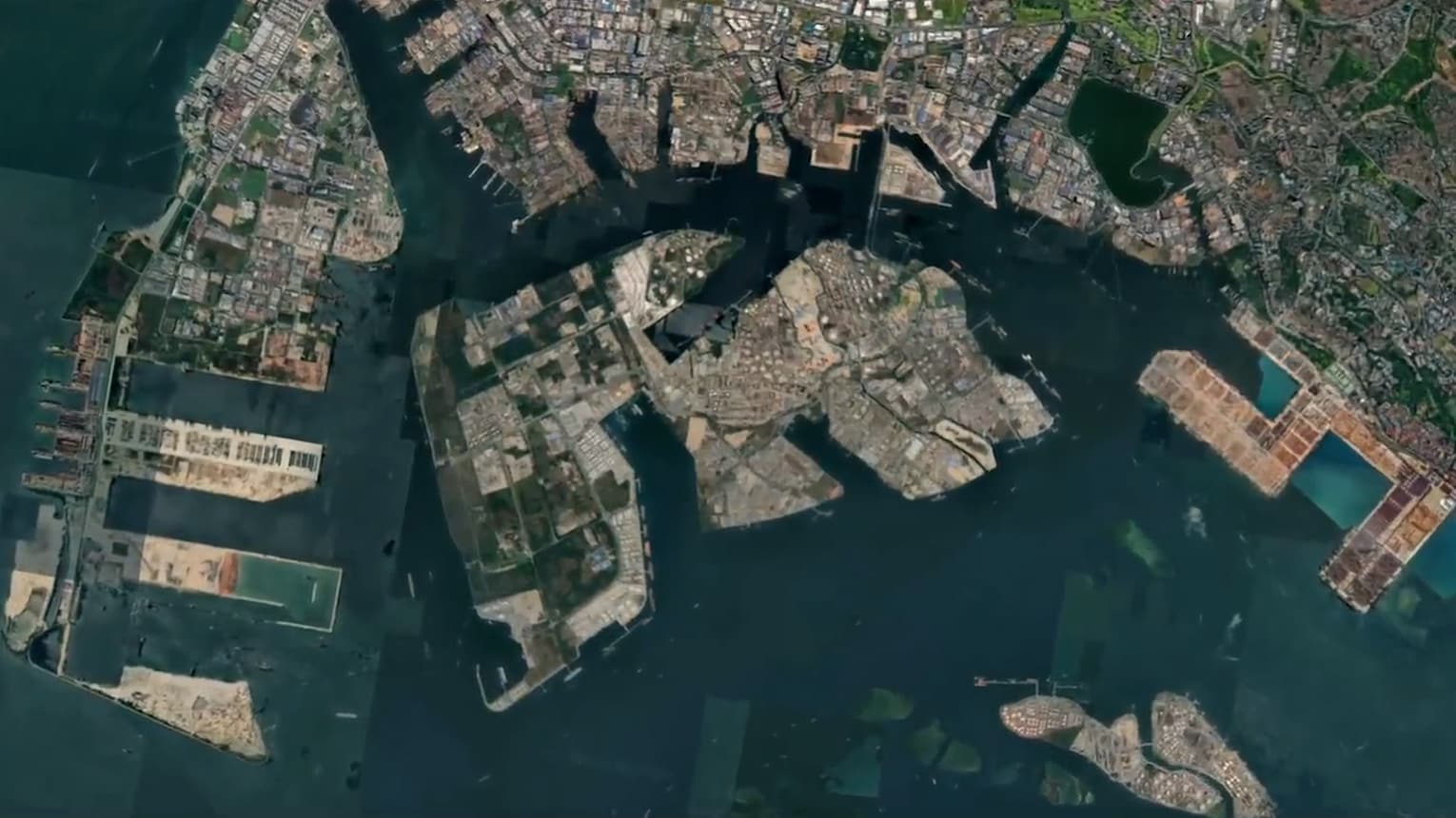
At first glance, Jurong Island appears as a landscape of steel and concrete. But beneath the pipes and chimneys lies an interconnected ecosystem where fuels are processed and power-generation units produce energy that is fed into the national grid. 

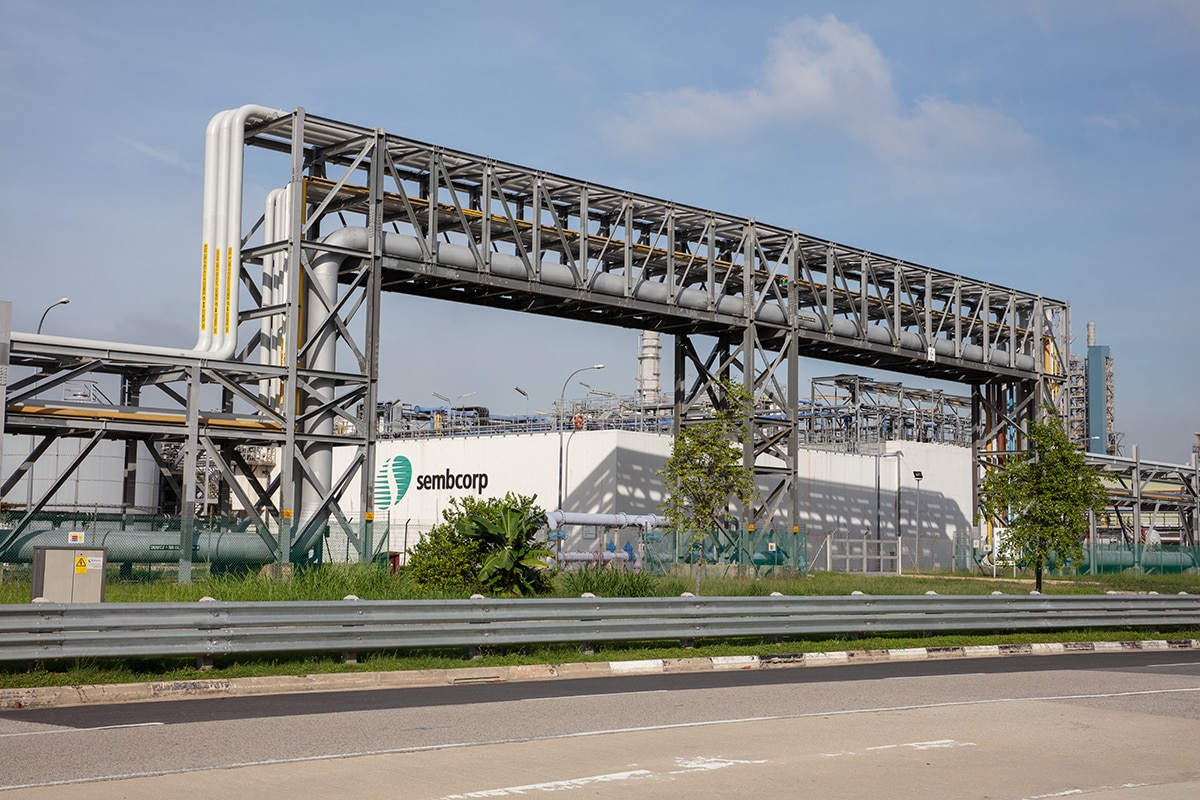
Across the island, Sembcorp operates critical power and utilities assets that form part of this energy backbone. One such example is its cogeneration plant at Banyan on Jurong Island, which converts natural gas into electricity, while maximising efficiency through the integrated use of heat and power. In a country where natural gas continues to supply 95% of our electricity, reliability is underpinned by infrastructure and operations like these. 

However, this is only part of a larger story: how a home grown company, backed by Temasek as a long term shareholder, is reshaping itself for Singapore’s shift to cleaner energy while maintaining reliability.

From Jurong Island to a regional player

Sembcorp’s role in Singapore’s energy story began on Jurong Island nearly three decades ago. In the late 1990s, it pioneered a centralised utilities model, building a shared infrastructure for power, steam and water that industrial tenants could tap on demand. The model helped anchor major petrochemical players and laid the groundwork for Singapore’s growth as an energy and chemicals hub, building on earlier efforts such as EDB and Temasek’s Singapore Petrochemical Complex. 

Sembcorp’s shared utilities network on Jurong Island delivers power, steam and water to industrial customers.

That legacy of integration has taken on new significance as Singapore navigates a more complex and evolving energy landscape. Today, Sembcorp portfolio is underpinned by diversified energy sources – ranging from long-term natural gas supply across both piped and liquefied sources, to robust capabilities in renewable energy and energy storage, helping to strengthen resilience while diversifying Singapore’s overall energy mix.

From Jurong Island pioneer to supporting Singapore’s four energy ‘switches’ for energy transition. 

“We have built and continue to strengthen a resilient energy portfolio to support Singapore’s energy transition. This puts us in a strong position to support our customers with a range of energy solutions at any time, even as the energy landscape evolves, while maintaining reliability and energy security,” says Koh Chiap Khiong, President and Chief Executive Officer of the Gas and Related Services business and CEO of Singapore at Sembcorp. 

A sharper focus

Sembcorp’s ability to scale these capabilities today is the result of a portfolio transformation years in the making – one that sharpened the group’s focus on its energy and urban solutions businesses. 

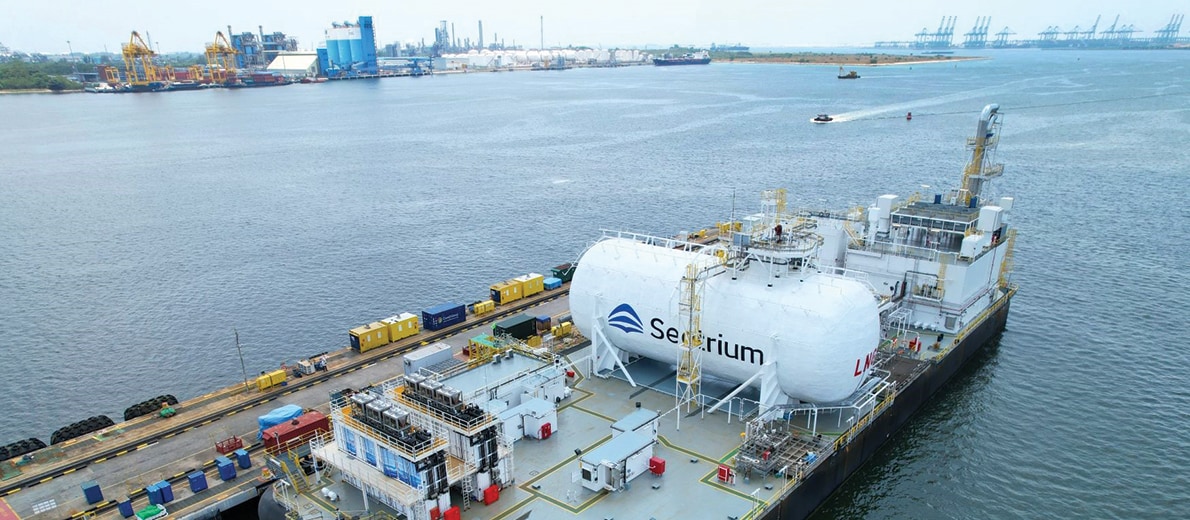
In 2020, Sembcorp announced a S$2.1 billion recapitalisation and demerger of Sembcorp Marine, separating the offshore and marine segment as a standalone company. Sembcorp Marine was later combined with Keppel Offshore & Marine to form Seatrium. 

For Sembcorp, the move created a clearer runway to scale its energy platforms for the next phase of growth. 

“We agreed with Sembcorp’s Board and worked with them to restructure Sembcorp Marine into a separate entity,” says Dinesh Khanna, Joint Head of Portfolio Development, Temasek Singapore, and Joint Head of Corporate Strategy, Temasek International. As a major shareholder in Sembcorp, Temasek lent its full support to the deal, committing up to S$600 million to the rights issue. More than 98 per cent of shareholders also backed the deal.

At the time of the restructuring, Sembcorp Industries’ market capitalisation was less than S$3 billion. As of February 2026, it has grown to over S$10 billion. “It has been a great value creation story for all shareholders, including the Singapore minority shareholders who invested,” Khanna says. 

Scaling up renewables at home and abroad

Sembcorp, with its renewed strategic focus, set its sights on boosting the nation’s energy prospects amid a rapidly changing global landscape.

In May 2021, it unveiled a strategic plan to grow its renewables and integrated urban solutions segments into profitable business lines. Today, Sembcorp’s gross renewables capacity stands at 20.4GW, including projects secured or under construction and an acquisition pending completion, across 11 countries – from Singapore and Vietnam to India, China, the Middle East and the UK.

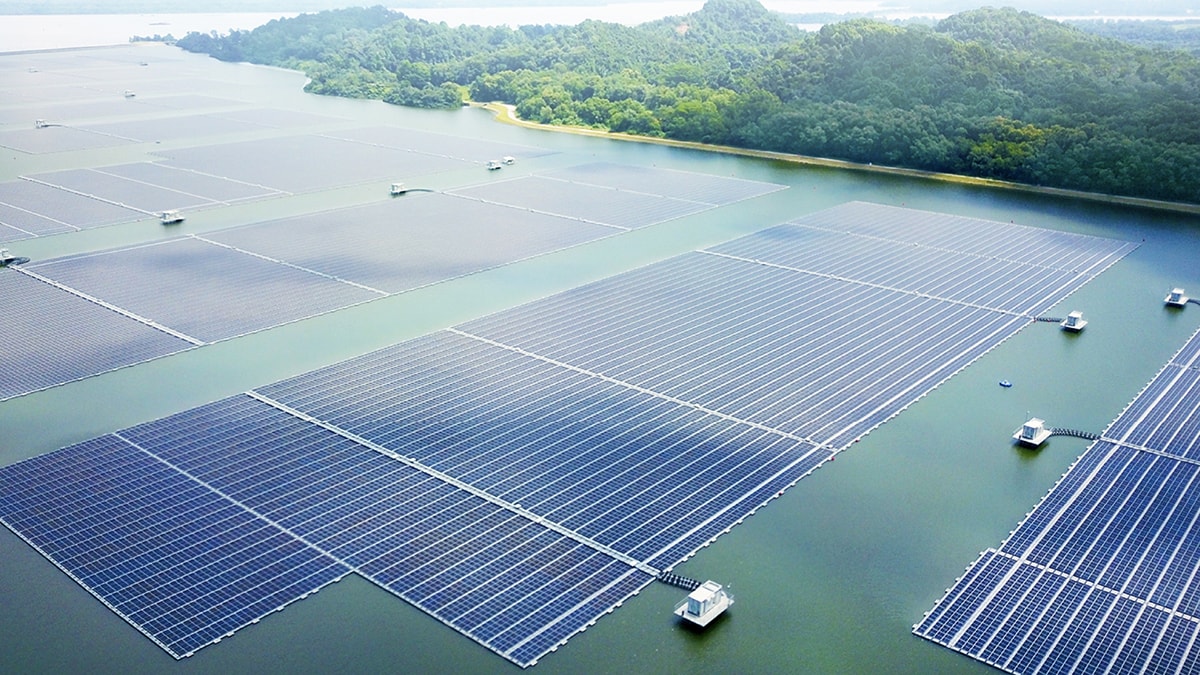
At home, where land is scarce, Sembcorp has scaled solar in less conventional spaces. Launched in 2021, the Sembcorp Tengeh Floating Solar Farm was Singapore’s first large‑scale inland floating solar installation. Sembcorp has since been appointed to develop two more floating solar farms planned at Pandan and Kranji reservoirs, which are expected to have capacities that are considerably larger than Tengeh’s.


sam18032022

Spanning Tengeh Reservoir, the power generated from the solar farm is enough to power 16,000 four-room HDB flats for a year and it helps cut around 32 kilotonnes of carbon emissions annually.

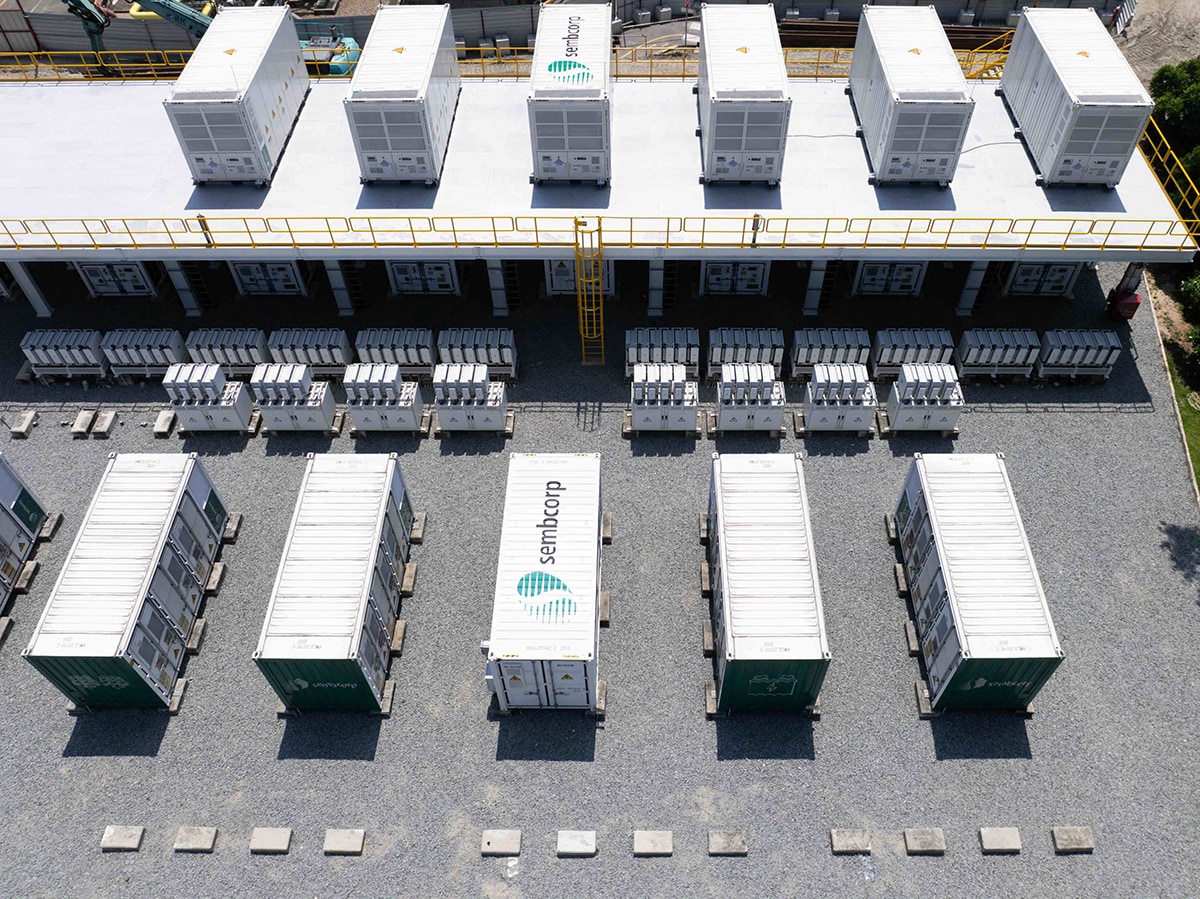
Since solar power isn’t always available when needed, energy storage is essential for steady, dependable supply. On Jurong Island, Sembcorp developed and commissioned a battery energy storage system (ESS) in just six months – one of the fastest deployments globally at this scale1. Building on this, Sembcorp later piloted a land-based battery stacking solution at the same facility in 2025, increasing storage capacity from 285 megawatt‑hours (MWh) to 326 MWh without expanding the site’s physical footprint.

This is the first vertical expansion of an operational ESS on the same land area, enabling additional capacity without increasing physical footprint. 

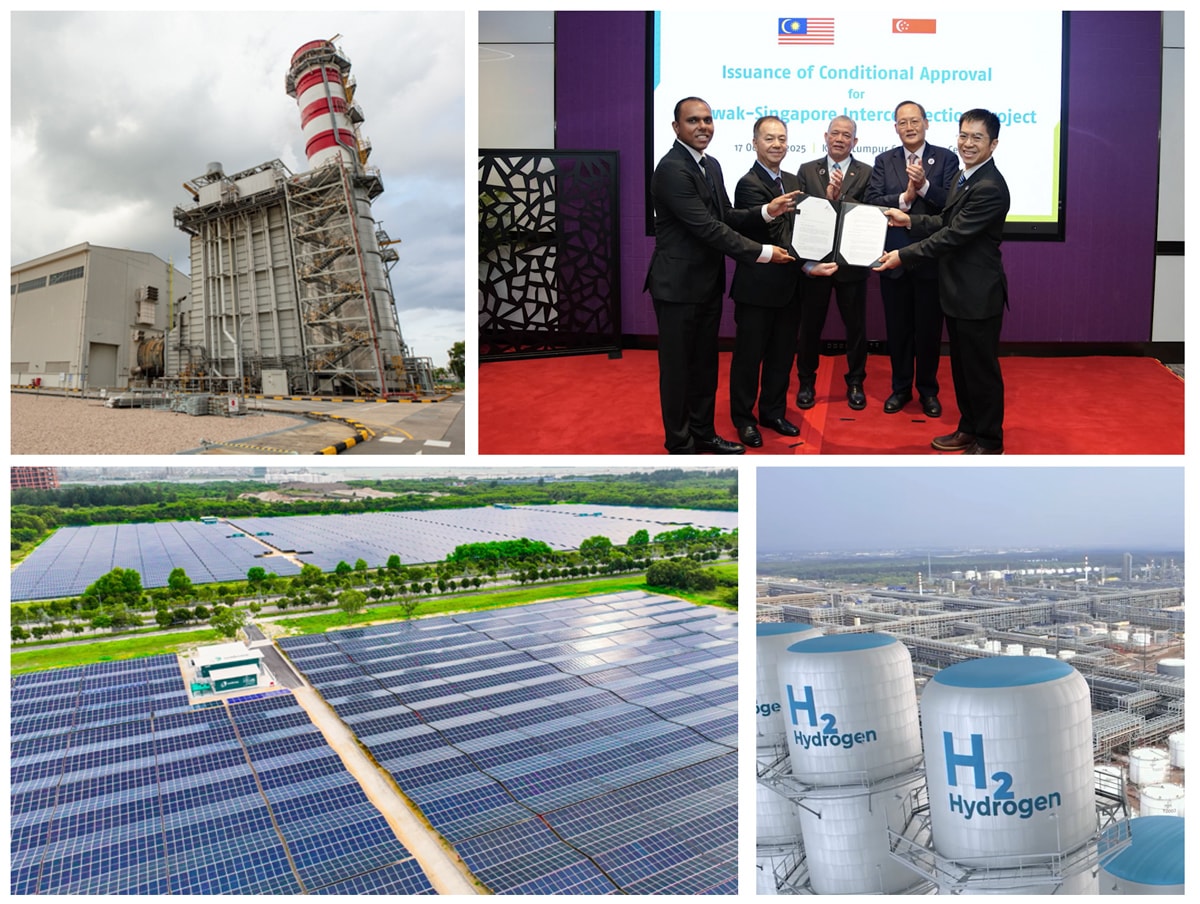
Singapore’s clean energy push also extends beyond its shores. As the country develops regional power grids and raises its solar deployment ambition to 3GWp by 2030 — Sembcorp has been working on pathways to bring in lower‑carbon electricity through cross‑border links, supporting national efforts to diversify the energy mix. These efforts could deliver over 2.2GW of renewable energy imports from the region, building on the 50MW already flowing in from Peninsular Malaysia.

Keeping power reliable

“As Singapore’s energy system evolves, the need for reliable, dispatchable power does not go away — in fact, it grows with new demand from AI and digital infrastructure. Natural gas remains a strategic anchor even as we expand renewables, strengthen regional connectivity, and develop low‑carbon solutions,” Koh explains.

Sembcorp’s longstanding position in Singapore’s gas ecosystem underpins this role. It was Singapore’s first commercial importer and retailer of piped natural gas, a foundation that continues to support the country’s gas-based power system and long-term energy security.

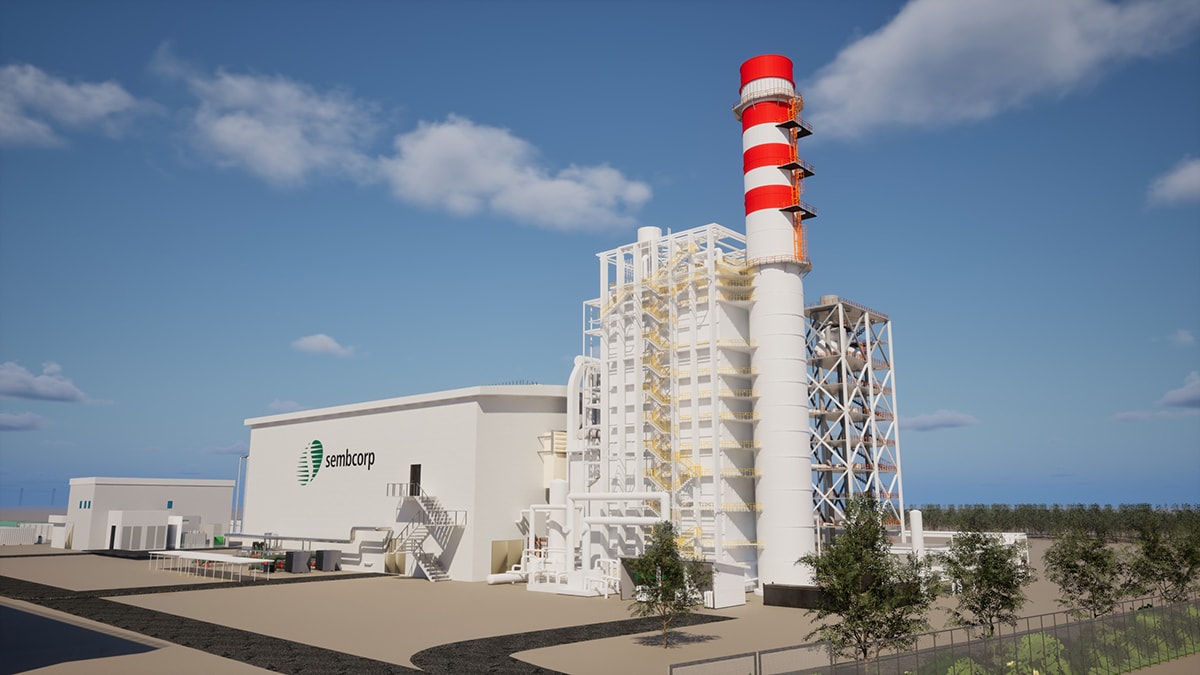
This includes ongoing investment in natural gas infrastructure, such as a 600MW hydrogen‑ready power plant on Jurong Island that is expected to begin operations in the fourth quarter of 2026. Designed to support a fuel blend containing up to 30 per cent hydrogen, the plant has the flexibility to increase the hydrogen blend to 50 per cent with minimal modifications. This gives Singapore room to cut emissions from power generation over time, without having to rebuild key infrastructure from scratch.

Artist impression of the 600MW hydrogen‑ready plant on Jurong Island, slated for 2026, is built to switch from gas to lower‑carbon fuels.

Backing reliability also means keeping the business resilient. As Sembcorp diversified its energy offerings, it continued to deliver strong earnings. Between 2020 and 2025, its underlying net profit grew at a compound annual growth rate of 27 per cent, reaching S$1 billion.

This is where Temasek’s network comes in: in a world where energy supply lines cut across borders, such connections can help power Singapore through the challenges ahead.

“For us, supporting Sembcorp’s strategic pivot isn’t solely about financial returns; it’s also about strengthening Singapore’s energy resilience,” says Khanna.

“We are bringing our network of thought partners and global players to help inform and strengthen Sembcorp’s view of the global energy landscape, and to build a robust, commercially viable strategy, so Singaporeans can continue to enjoy reliable, affordable and cleaner energy for years to come.”

--

Footnote:

Based on independent assurance provider DNV’s global database of 4,210 ESS projects totalling 32GWh and publicly available information as of 5 January 2023, for a comparable size utility-scale energy storage system (same or higher rating and same design).

Our Singapore DNA spotlights how home-grown companies in Temasek’s portfolio have evolved and expanded on the global stage.

Discover how Temasek works closely with these businesses to innovate and drive impact — by building long-term value, driving sustainable growth, and fostering meaningful change for people and communities.

Top

News & Insights

Select a type of content
    Please select Stories you are interested in.
    Please give us your consent.
    Please confirm that you are not a robot.

    Subscribe to our newsletter

    Stay up to date with our latest news, insights and stories

    Select a type of content
      Please select Stories you are interested in.
      Please give us your consent.
      Please confirm that you are not a robot.