The heat has been bordering on the unbearable this month, with temperatures soaring to a record-equalling high of 37 deg C on May 13, notably in Ang Mo Kio.
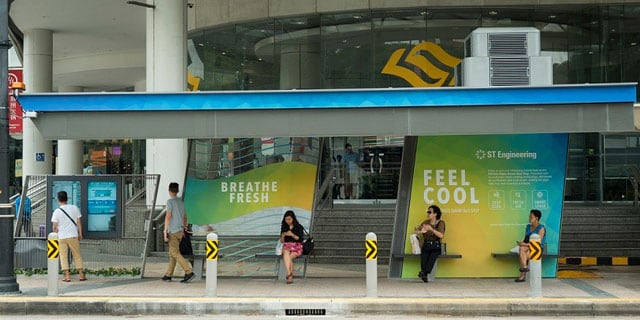
Chances are you sought relief in the cool comfort of air-conditioned spaces, such as our shopping centres, offices and homes.
But here’s the catch: By switching on your air-conditioner, you are making your days and nights warmer.
By the end of this century, carbon emissions from air-conditioning can result in up to 0.5 deg C in global warming by 2100, according to the World Economic Forum. This is enough to increase sea levels by 6cm.
Studies have shown that air-conditioning uses up to half of a building's energy, making buildings and homes the second-largest source of carbon emissions in Singapore, after the industrial sector.
So how can we stay cool without increasing our carbon footprint?
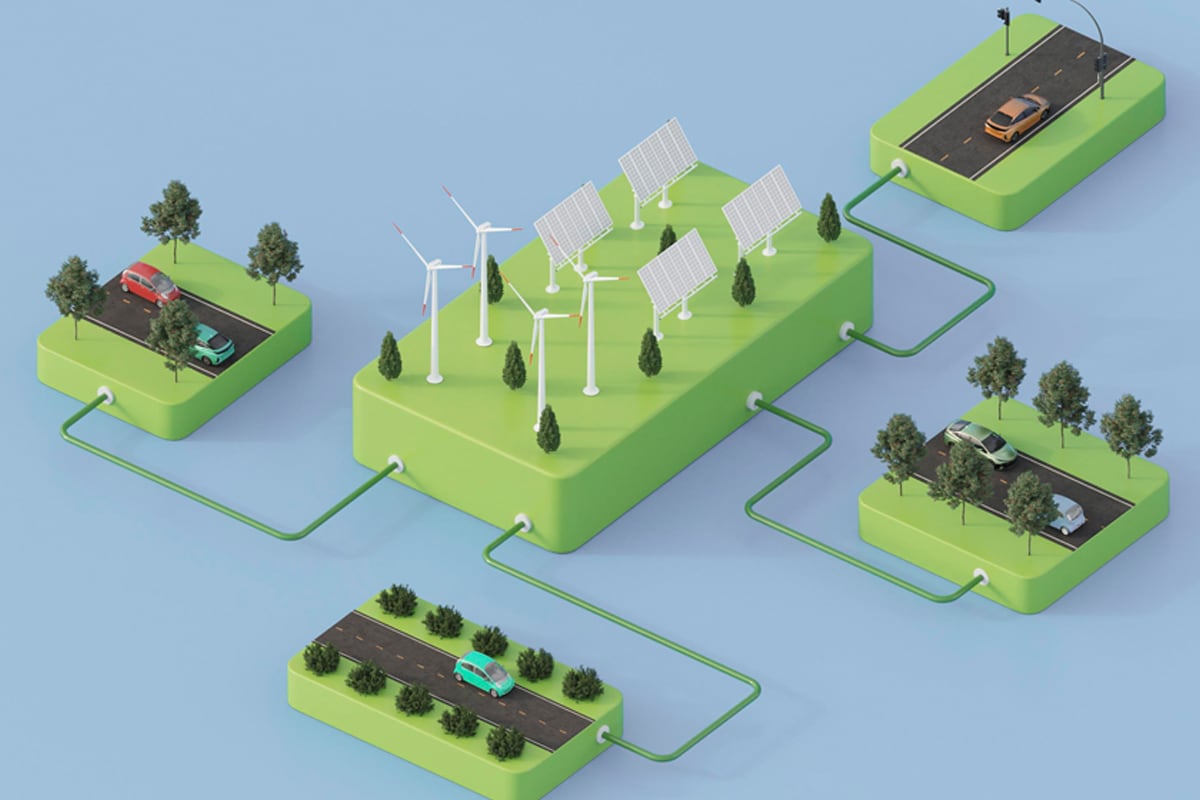
One solution: By cooling multiple buildings and malls with a network of insulated pipes filled with chilled water from centralised cooling plants. Known as a district cooling network, this solution provides effective air-conditioning while reducing carbon emissions.
It is now being explored in Tampines Central, as part of efforts to transform Tampines into an eco-town. By the first half of 2025, it will be Singapore’s first town centre to retrofit a new district cooling system.
The result: Energy consumption in Tampines Central will be reduced by 17 per cent each year, which is enough to power 1,665 three-room Housing Board flats over the same period.
This finding was outlined in a study by global investment company Temasek and SP Group, and supported by the Tampines Group Representation Constituency (GRC) and the Ministry of Sustainability and the Environment.
We’re already seeing the consequences today, with many countries experiencing extreme weather events including devastating floods and prolonged drought.
The latest report by the United Nations’ Intergovernmental Panel on Climate Change (IPCC) showed that these weather extremes are threatening our food supply, increasing the risk of mosquito-borne diseases such as malaria, and destroying livelihoods.
Singapore, as a low-lying city state, is particularly vulnerable to the effects of climate change, says the National Climate Change Secretariat, including rising temperatures, more intense rainfall events, and rising sea levels.
On the other side of Singapore, over 19,000 home owners in the newly-developed Tengah estate will also benefit from a similar district cooling system.
Sustainability at its core
Why is Temasek involved in these efforts to help Singapore beat the heat sustainably?
“Energy is at the heart of the climate challenge,” says Mr Russell Tham, Temasek’s joint head of enterprise development group (Singapore) and head of strategic development. “The ability to deploy and scale sustainable energy solutions is key to mitigating the consequences brought about by the climate crisis.”