Close your eyes and listen to the bustling sounds of traffic. Our roads will get quieter in coming years, as more electric vehicles replace their petrol-guzzling counterparts.
Now look to the skies. The airplane flying overhead could be powered by fuel partly derived from used cooking oil and agricultural waste.
A revolution in clean transport is underway, as governments, companies and consumers take on climate change.
“Climate change has become a pressing concern as we see food, water and land security being threatened by the increase in frequency and severity of natural disasters,” says Ms Juliet Teo, head of transportation & logistics, Temasek.
How we commute is a key area that demands urgent action as the transport sector relies more heavily on fossil fuels than any other.
Globally, transport accounted for 37 per cent of carbon emissions by end-use sectors in 2021, said the Paris-based International Energy Agency (IEA).
Last year, the IEA warned that the worldwide transport sector is not on track to meet its net-zero target, which requires a 20 per cent reduction in emissions to less than 6 billion tonnes by 2030.
Net-zero carbon emissions refer to the state where the amount of man-made carbon emissions produced equals the amount removed from the atmosphere.
“Collective and collaborative efforts are required from governments, businesses and consumers to transit towards clean transportation and mitigate the effects of climate change,” says Ms Teo. “This transition will benefit everyone and better prepare us for the future.”
How do we get to the future of clean transport?
Drivers of change: On the road
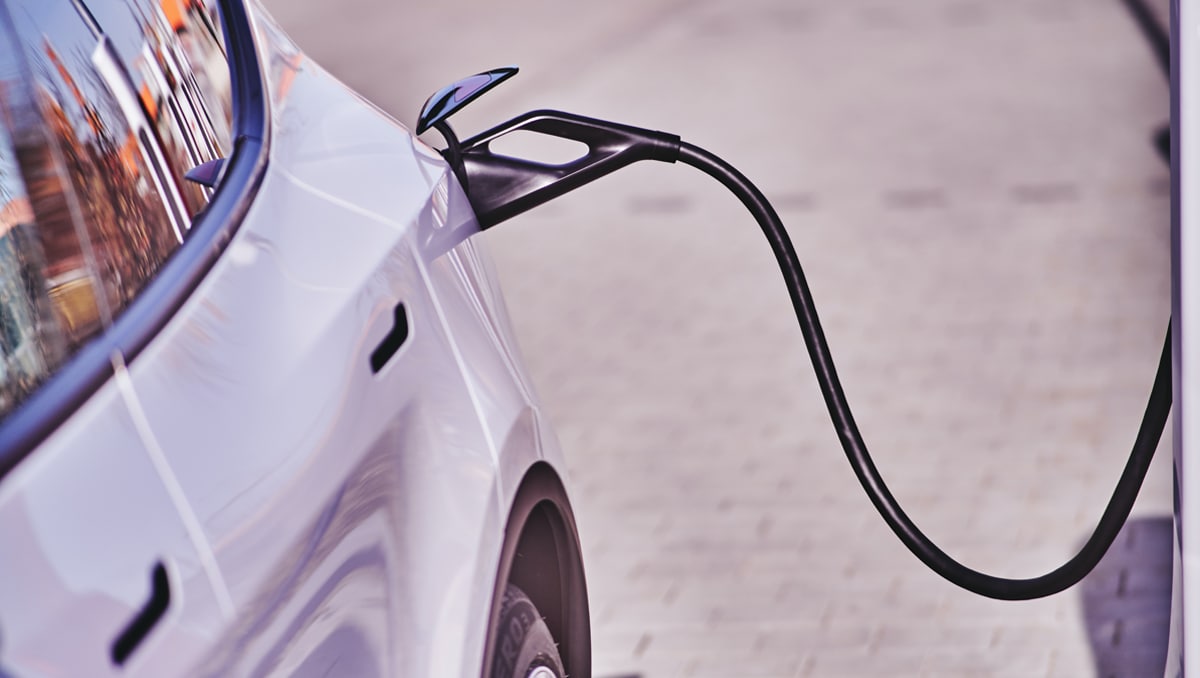
Today, electric vehicles (EVs) generate about half the emissions of internal combustion engine (ICE) vehicles, estimates the Land Transport Authority of Singapore (LTA).
If all local light vehicles such as passenger cars go electric, carbon emissions will be reduced by up to 2 million tonnes annually, or about 4 per cent of Singapore’s total carbon emissions.
The deployment of 60 electric public buses on local roads since 2020 has already cut carbon emissions by 7,840 tonnes annually, reports the LTA – equal to removing 1,700 ICE cars from the roads for a year.
The Government is stepping on the pedal to speed up the electrification of vehicles. From 2030, all new cars registered in Singapore must run on cleaner energy.
But the path to fully electric vehicles has its challenges.
“The lack of readily available EVs across different vehicle types and correspondingly, the costs and economics of ownership mean that there is no quick fix to transform the industry,” says Ms Teo. “There is still a long way to go to make clean solutions compatible with our everyday lives.”