About Us
A Global Investment Company Rooted in Singapore
Our Financials
Building a disciplined institution
Our Investments
Investing with tomorrow in mind
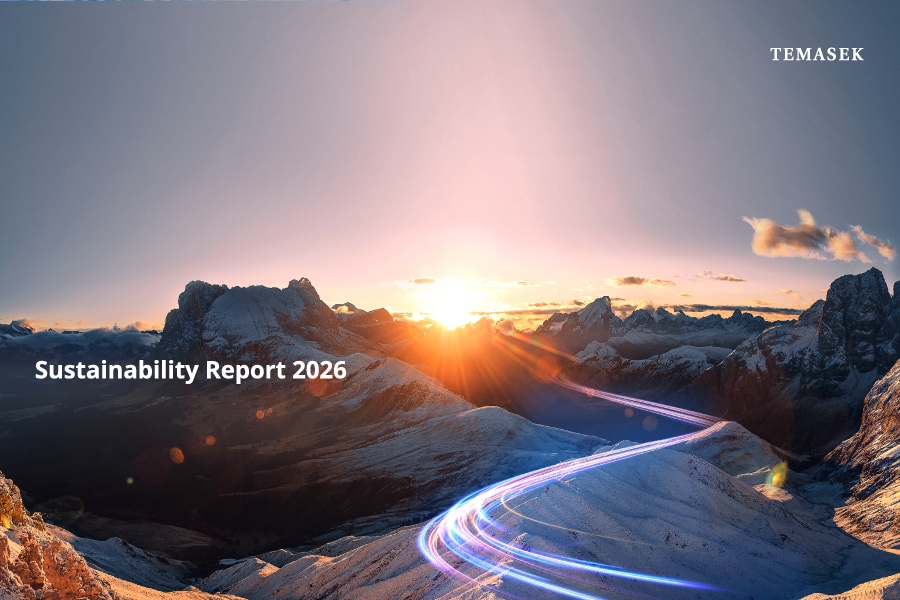
- Sustainability at the Core
- Key Highlights
- Our Sustainability Strategy
- Sustainability Governance
- Sustainability in Our Investments
- Managing Sustainability and Climate Risk and Performance
- Sustainability in Our Operations
- Accelerating Sustainability Through Collaboration
- Sustainability Performance Data
Our Community
Building communities, uplifting lives
News & Stories
Stay informed and keep abreast of the latest news
- Home
- About Us
- Our Financials
- Our Investments
-
Sustainability
- Sustainability at the Core
- Key Highlights
- Our Sustainability Strategy
- Sustainability Governance
- Sustainability in Our Investments
- Managing Sustainability and Climate Risk and Performance
- Sustainability in Our Operations
- Accelerating Sustainability Through Collaboration
- Sustainability Performance Data
- Our Community
- News & Stories
Close