A kind gesture, no matter how small, can bring about an impact we least expect. In this ongoing series, we comb through the office in search of colleagues who are making a difference to the lives of others — through the way they live theirs.
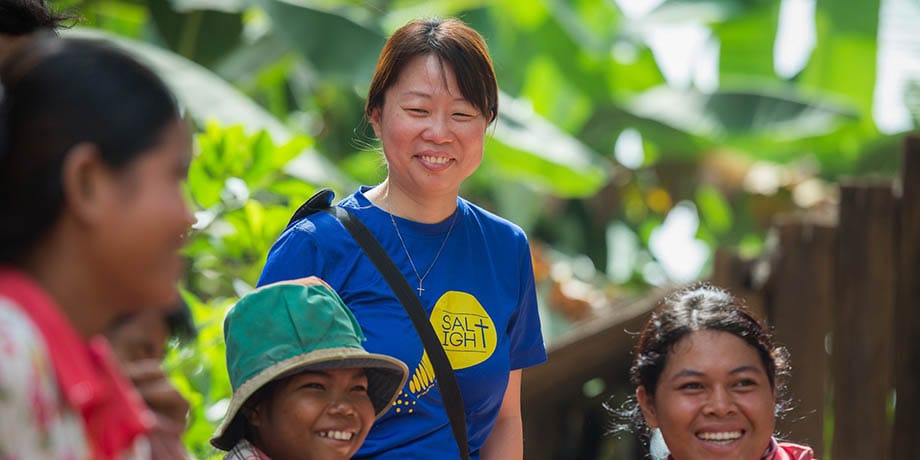
Christine Ng is no stranger to community work in Cambodia.
She has spent time in villages without proper toilets, and braved pneumonia while volunteering in a mobile clinic in its impoverished countryside. Yet, the human resource professional has not seen it all.
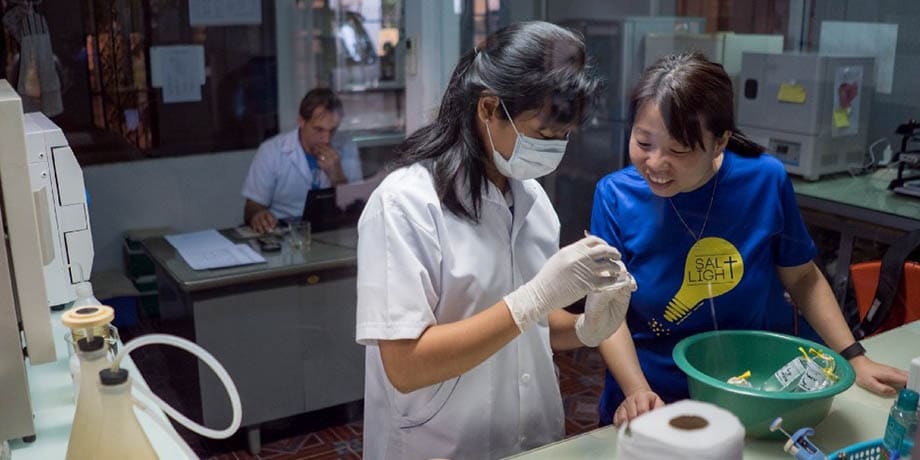
When she returned to Singapore, the 38-year-old rallied her colleagues and friends to raise funds for Water for Cambodia (WFC), a non-governmental organization (NGO) based in the country’s popular resort town Siem Reap.
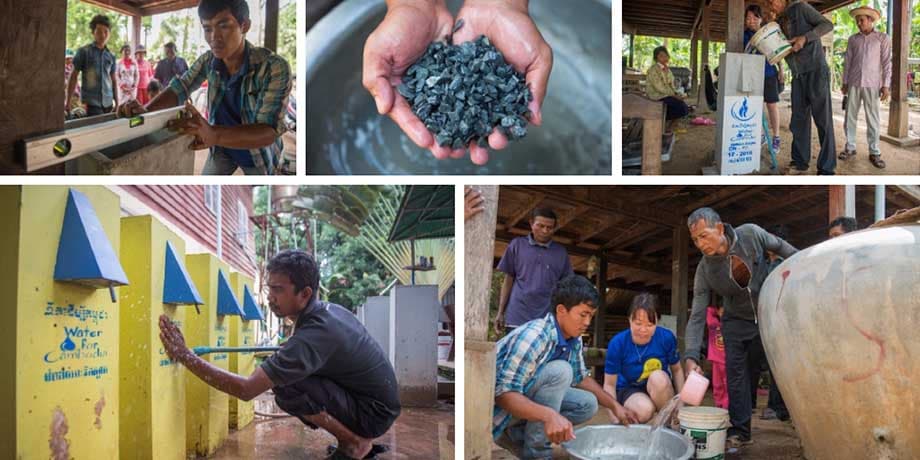
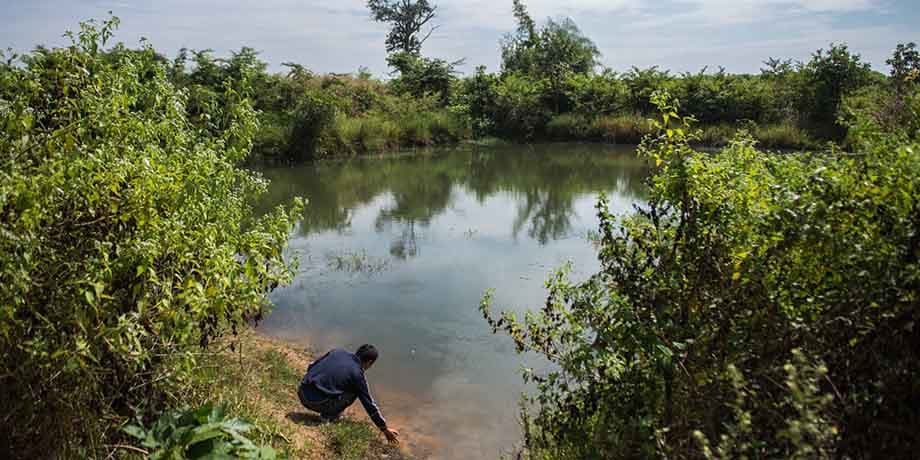
Water for Cambodia (WFC), which began life officially in 2006 through the efforts of the late American Rotarian Gunther Hausen and his wife, has been building and installing biosand water filters in the country’s rural communities since 2006. According to Unicef, about 40 per cent of the population lacks access to safe water.
These filters produce drinkable water by purifying polluted waters within minutes as it passes through layers of gravel and sand housed in a cement block.
As water passes through, larger contaminants such as parasites are trapped while viruses and certain harmful organic compounds get attached to the sand particles through a process called adsorption. Other organisms, starved of oxygen, die a natural death in the lower layers of the filter.
Watch how the biosand filters from Water For Cambodia work
The deceptively simple but effective technology keeps the cost low. Each filter costs about USD60, and can last more than 10 years.
In May and September last year, Christine spearheaded two rounds of fundraising and raised enough funds for about 180 water filters — most of which came from her colleagues at Temasek.
But not content with just bringing in the dollars, Christine was determined to personally witness how these contributions can impact lives on the ground.
The plucky volunteer took a week off from work last December and travelled to Siem Reap to visit WFC.
There, she saw how the villagers were able to become less dependent on contaminated well and river water as their water sources. The use of these filters also meant that villagers no longer have to be at the mercy of the fickle tropical climate for rain water.
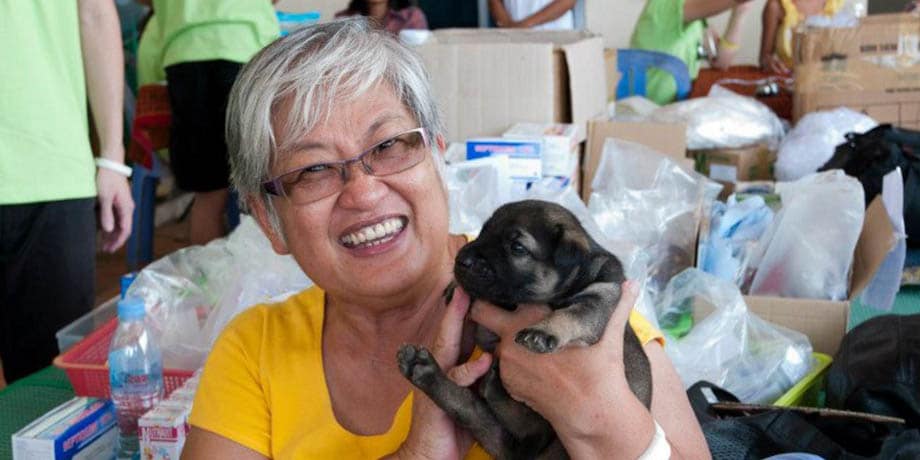
True to her word, Christine has been going back to Cambodia almost every year for the last 10 years as a volunteer in different capacities — from helping out in a shelter that equips women with a wage-earning skill to volunteering at mobile clinics with her church mates.
But it was two unlikely heroes, whom she affectionately refers to as her “church aunties”, who inspired her to embark on the altruistic journey.
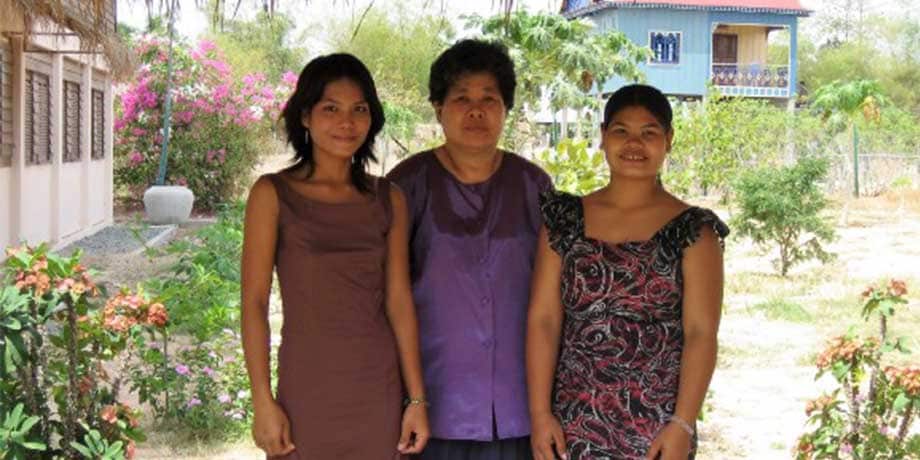
One of the ladies, Christine’s kindergarten teacher, moved to Cambodia in 2004 after her retirement to work with underprivileged children, and has been there since despite being in ill health. The other, unfortunately, passed on last year after spending her retirement years helping the underprivileged in its capital Phnom Penh.
“These two ladies helped me see the simplicity of life. People asked why not Thailand or Myanmar but my passion for Cambodia is largely influenced by them. There is still much work there to be done,” she muses.
While a foray into community work requires a deep commitment, Christine is convinced one should not be deterred by the initial fear or discomfort.
Her advice? “The unwillingness to step out into the unknown is a big obstacle. Many think that they cannot get used to the conditions, so some struggle. But if you can avail the time, you can do a lot.”
The benefits of volunteering are never on a one-way street, she says.
“My greatest satisfaction comes from making a difference to someone’s life, and to be reminded each time that I’m so blessed. The villagers are happy with the smallest things and sometimes we grumble over the slightest ones. It’s a big contrast and I’m humbled every time I go back.”