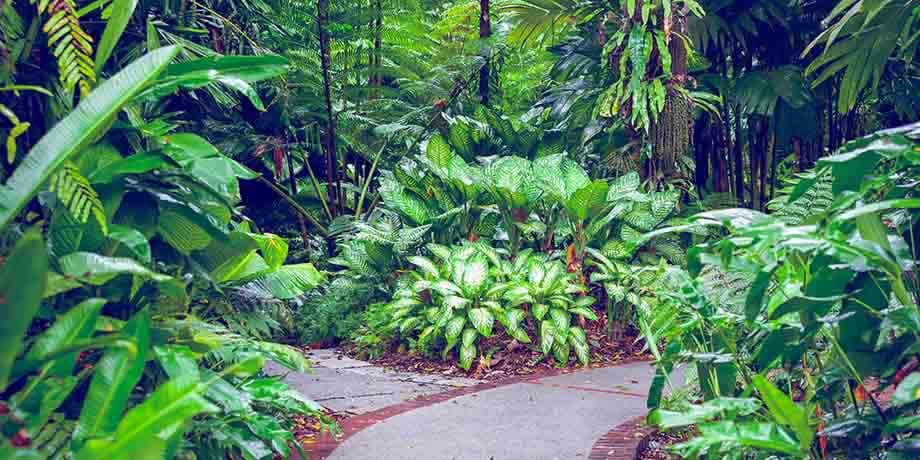
Some 2,500 years ago, Cyrus the Great, founder of the first Persian Empire, built gardens that were lauded as paradise on earth. He believed that lush foliage would help to refresh the spirits of man.
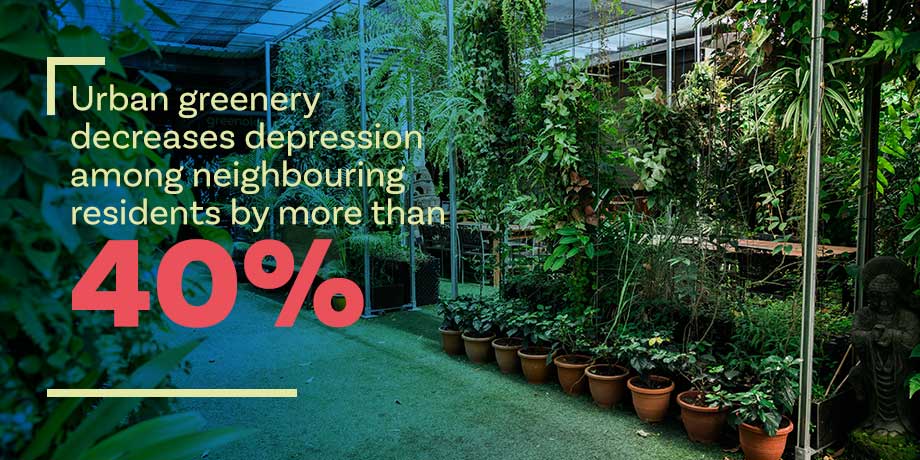
Today, science and research are beginning to ground this belief in facts. In a study conducted between 2011 and 2014, researchers from the University of Pennsylvania’s Perelman School of Medicine recorded a 41.5 percent decrease in depression among self-reporting participants who lived within 400 metres of green spaces.
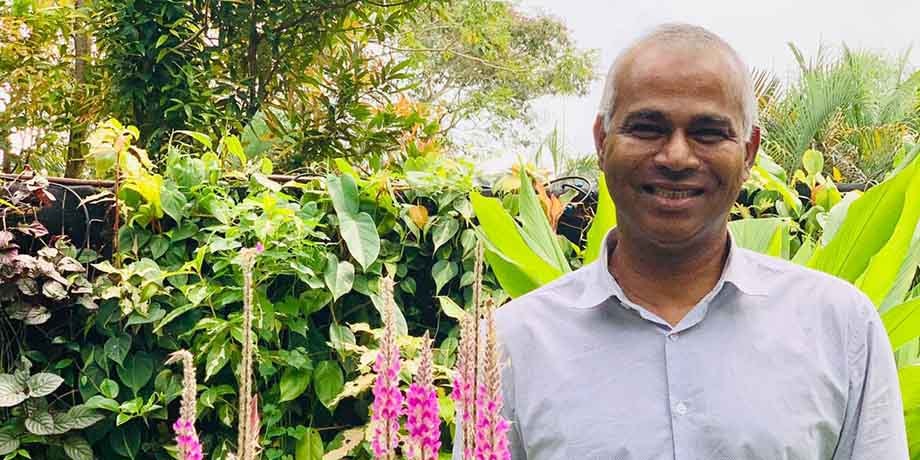
“It’s not a new science,” says Veera Sekaran, 57, better known to some as the poor schoolboy featured in Singapore’s National Day Parade 2018 film. “People have been living off the land since the early days of civilisation.”
Veera is the founder of Greenology, a horticultural consultancy that provides urban greening and vertical farming solutions.
From Poor Schoolboy to Botanist
The fifth of nine children, Veera grew up with very little. He went to school dressed in his brothers’ hand-me-downs and carried textbooks in a paper bag because his family was too poor to afford new school supplies.
These hardships did not stop Veera from excelling in school. As a primary school student, he would spend hours at the library poring over books on biology and science.
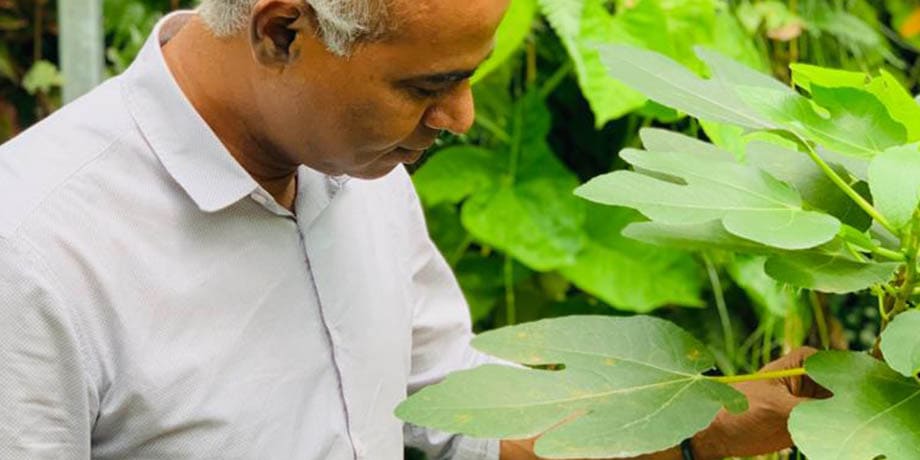
“All throughout my school years, I was hungry to learn more about nature,” Veera recounts. “Eventually, communicating with plants became second nature to me.”
After graduating with a degree in botany in 1987, Veera pursued a career in horticulture — the art or practice of garden management and cultivation. He worked first as a farmer at the Mandai Orchid Gardens, then managed an orchid plantation in Seychelles, a country off East Africa, before becoming an assistant curator of horticulture at the Singapore Zoo from 1992 to 1995.
During these years, the nature enthusiast was instrumental in developing the landscapes of the Zoo and Night Safari, advancing Wildlife Reserves Singapore’s mission to protect and promote the value of biodiversity in the region.
Greenology: The Company that Greens Urban Spaces
After almost three decades of experience in horticulture, Veera decided to strike out on his own with Greenology. Launched in 2008, the company was built around a core philosophy: to bring greenery to urbanites in the most accessible way possible.
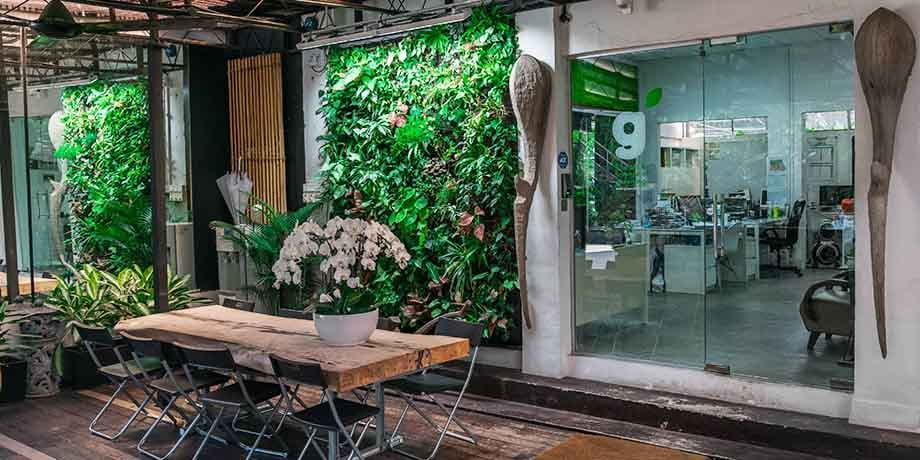
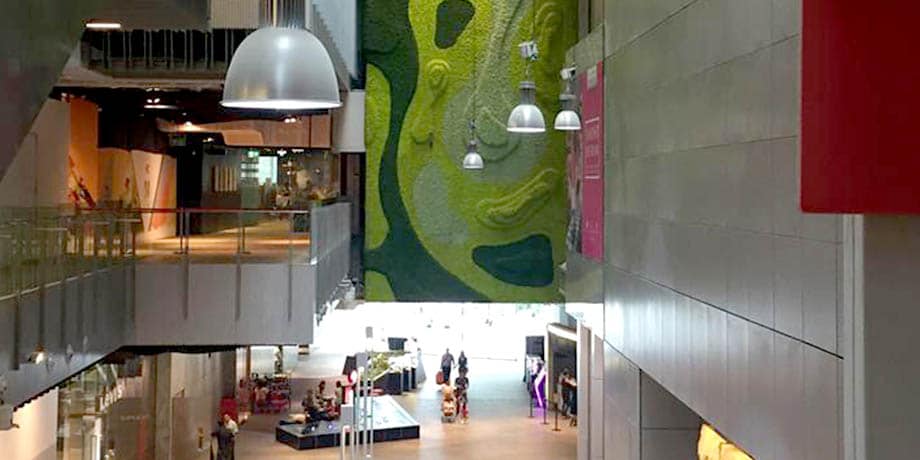
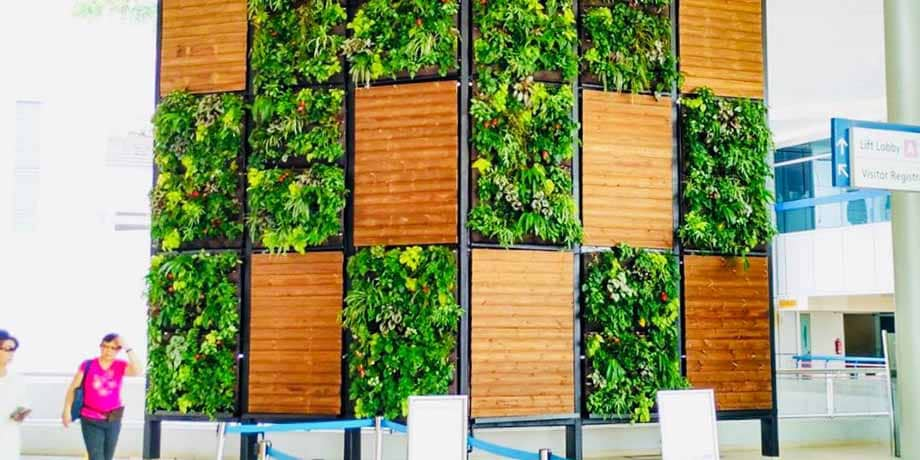
As part of this ethos, Greenology installs urban greenery systems in common spaces such as office buildings and shopping centres. Some of their vertical gardens can be seen at the Singapore Air Traffic Control Centre, Changi General Hospital and the discovery walk of Orchard Central.
Nature: Our Brains’ and Bodies’ Miracle Medicine?
Doing well and doing good for the environment isn’t just a one-way street. Veera believes that nature can also give back to society, by improving the mental and physical states of those dealing with the strains of modern-day living.
Three years into his business, Veera was abruptly diagnosed with Parsonage Turner Syndrome, a rare neurological disorder that typically leads to weakness or, in more severe cases, paralysis in the affected area. With this condition, Veera was left with little mobility in his upper body and a sharp, excruciating pain in his arms.
Undefeated, the father-of-two took great pains to rehabilitate himself through small actions, such as lifting flower pots at Greenology’s headquarters, and regained strength in his arms about a year later.
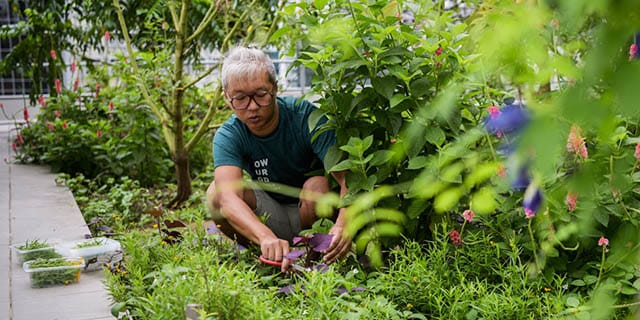
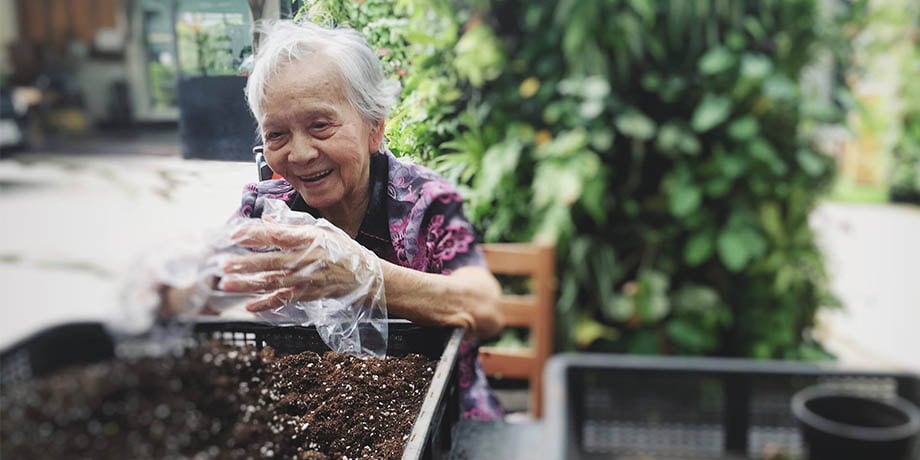
The healing powers of nature: children with special needs as well as patients with dementia regularly visit Greenology’s headquarters, engaging in plant-based activities as a form of therapy (Photo: Project Unsung Heroes)
Greenology is not alone in its exploration of horticultural therapy.
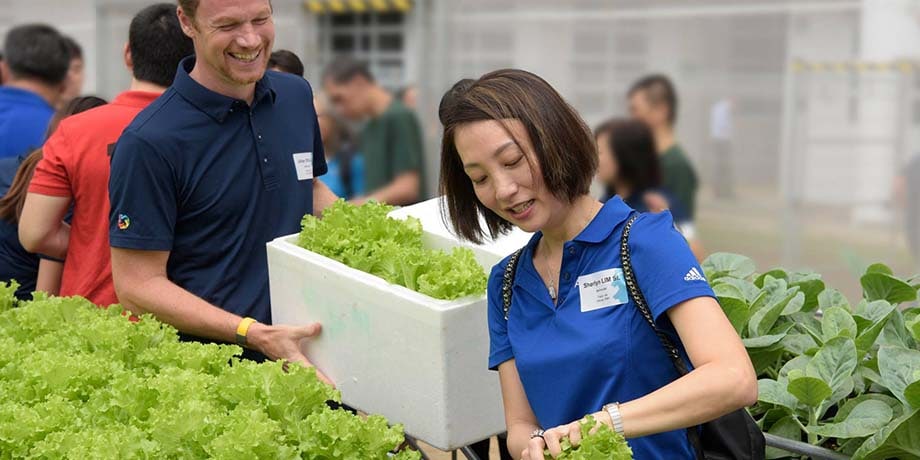
Similarly, the Institute of Mental Health (IMH) has turned to hydroponic farming as a form of rehabilitation for long-stay patients, recently receiving more support from T-Touch — a volunteer initiative driven by staff at Temasek — to build a greenhouse with facilities for the programme.
Expanding on the importance of human-plant relationships, Veera adds, “People are always looking to make connections with others. In the same vein, we should strive to build a deep and respectful bond with nature because it helps to foster a sense of belonging, build empathy and provide healing.”
Here at Temasek, we place sustainability at the core of everything we do. We strive to build a better world, always with tomorrow in mind.
Temasek is an investor in Wildlife Reserves Singapore.