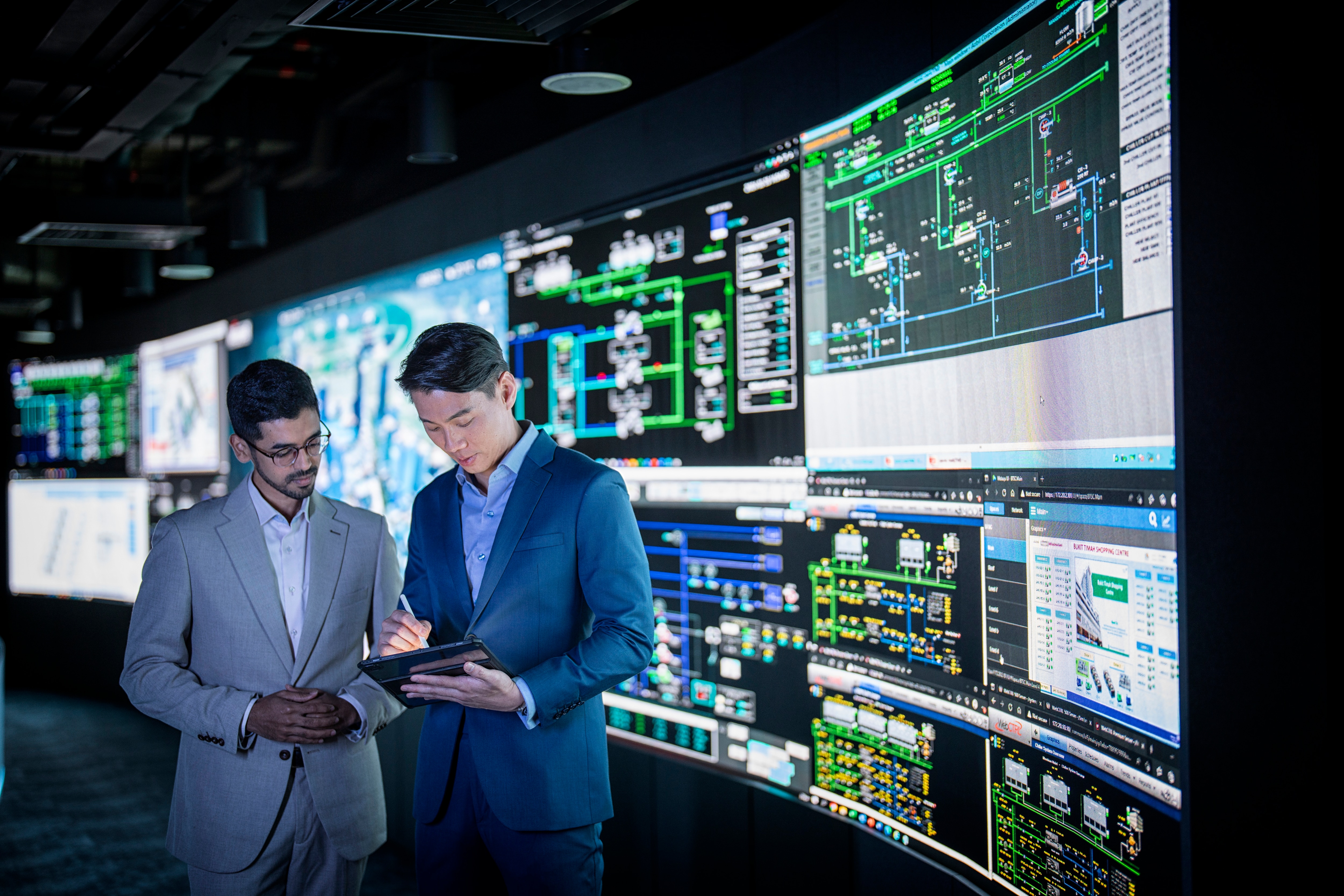
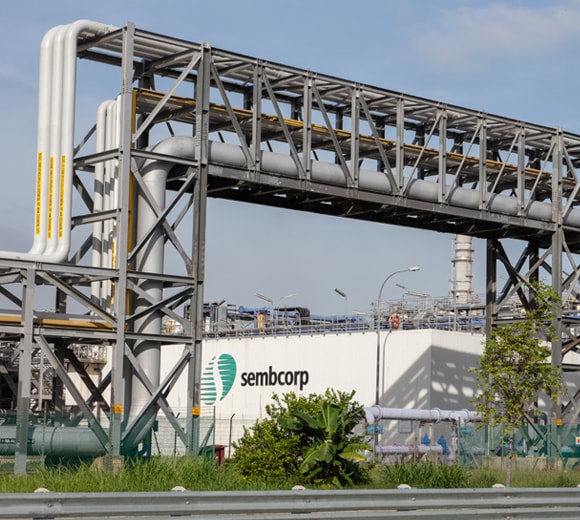
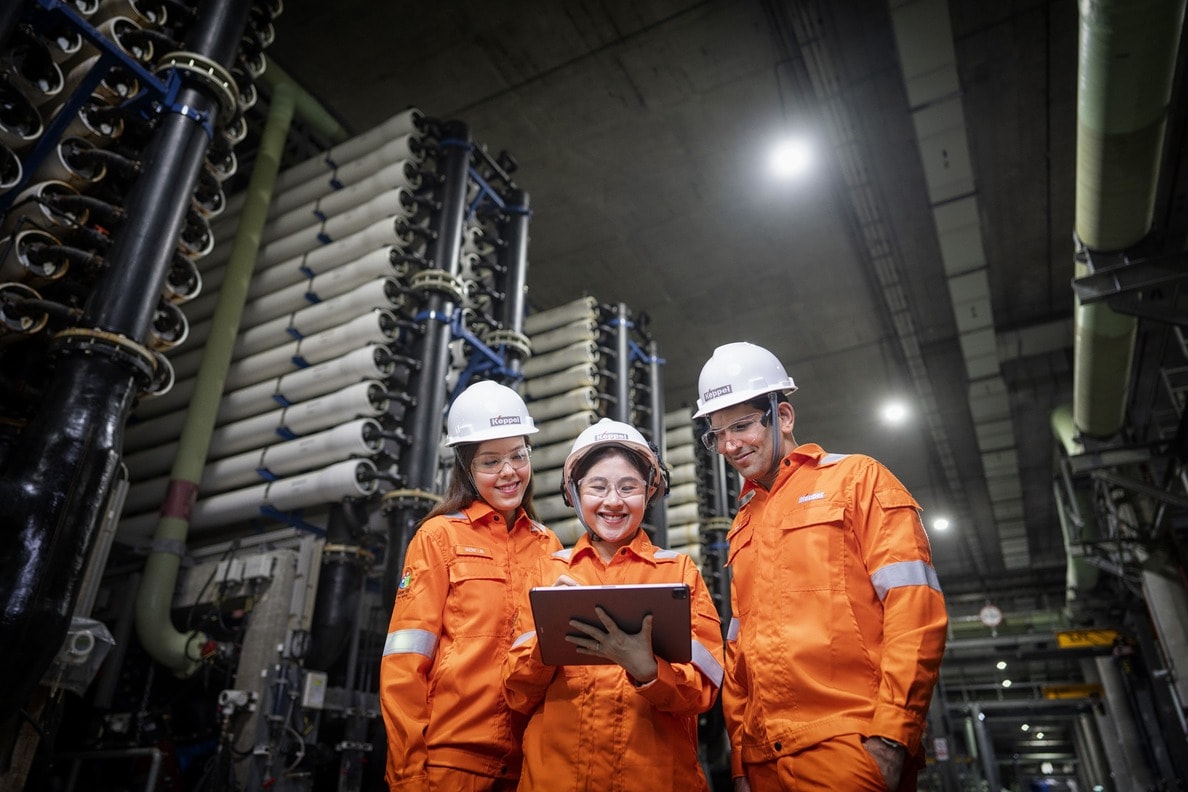
After training as a chemical engineer, Angie Ang began her career at Keppel working on power infrastructure on Jurong Island. Fifteen years on, her work has shifted from plant operations to business development in sustainable aviation fuel — a sign of how both her role and the company have evolved.
Ang’s career reflects something fundamental about Keppel’s transformation. As the company has evolved, one constant has remained: its ability to develop, run, and optimise complex real assets. That operating expertise now underpins a more asset-light model, giving Keppel an edge as it invests in and manages assets across several growth areas.
Between 2022 and 2023, Keppel undertook a major transformation, supported by investors such as Temasek and marked by the S$4.7 billion divestment of its offshore and marine business. Once known for rigs and shipyards, the home-grown company has reshaped itself into a global asset manager and operator focused on opportunities linked to energy transition, urbanisation, and digital connectivity.
Today, the company is present in more than 20 countries, operating and managing assets across Asia-Pacific and Europe, with S$95 billion in funds under management as at end-2025. Its portfolio spans diverse assets such as green office buildings, subsea cables, and AI-ready data centres.
New Keppel, new nimble approach
Several trends underscored the need for a fundamental shift in the way Keppel operated. For several years since the mid-2010s, demand for offshore oil and gas had weakened. New rig orders slowed, and it became harder to sustain profits.
Furthermore, large, diversified groups that operated in many different businesses were often valued less highly than their pure-play counterparts. Investors also favoured companies with strong recurring income compared to those with lumpy earnings.
“Over the last few years, we’ve reshaped and evolved the company so that the New Keppel’s earnings come from recurring income, rather than the lumpy orderbook and development profits of the past,” says Keppel CEO Loh Chin Hua.
“We have also adopted an asset-light model and have announced about S$14.5 billion of asset monetisation since the programme began in 2020, freeing up significant capital to fund growth, reduce debt, and reward shareholders.”
Keppel’s transformation efforts have paid off. In 2025, it saw S$1.1 billion in net profit (excluding non-core portfolio and discontinued operations), up 39% from the previous year. It enjoyed better-quality earnings, with recurring income growing 21% to S$941 million.
The company is also doing more with less. Keppel’s total assets declined by about 16% to S$27.09 billion as at end-2025 compared with S$32.11 billion in 2020, while its funds under management more than doubled from S$37 billion in 2020 to S$95 billion as at end 2025.
“The world Keppel operates in today is very different,” says Eng Aik Meng, Head of Operating Group, Temasek International and Joint Head of Portfolio Development, Temasek Singapore. “Broad, asset-heavy conglomerates are generally not valued as well as more focused, asset-light businesses. As a shareholder, we agree that Keppel needed to simplify and concentrate on its strengths.”
Vision 2030: A sustainable future
Keppel isn’t done transforming. Under Keppel’s Vision 2030, the company is leveraging its ability to match third-party capital with its strong operating expertise and real assets. These efforts are paving the way for a more sustainable and connected world.
Building on its industrial roots and proprietary knowledge, Keppel is creating critical solutions and alternative real assets across the infrastructure, real estate, and connectivity sectors.
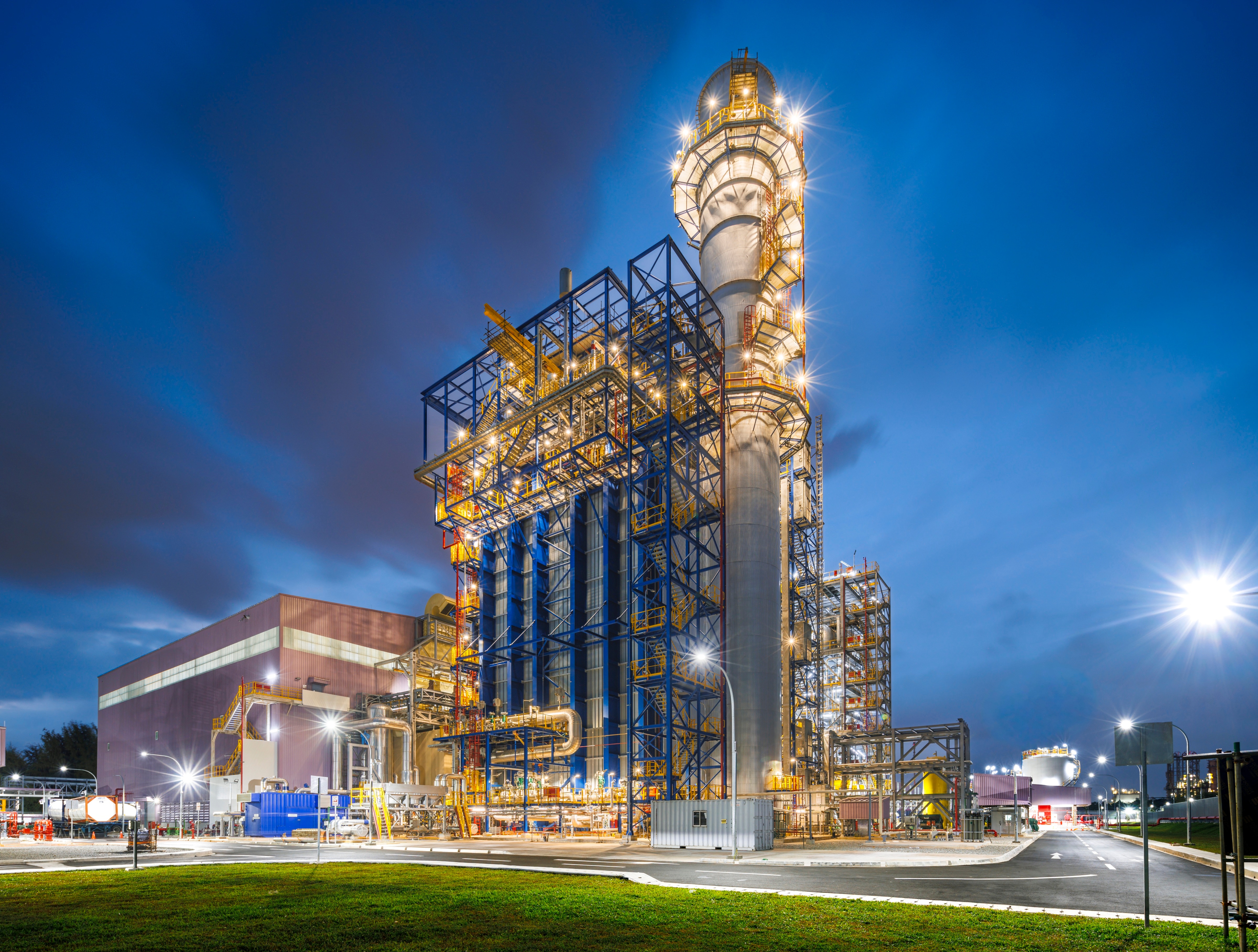
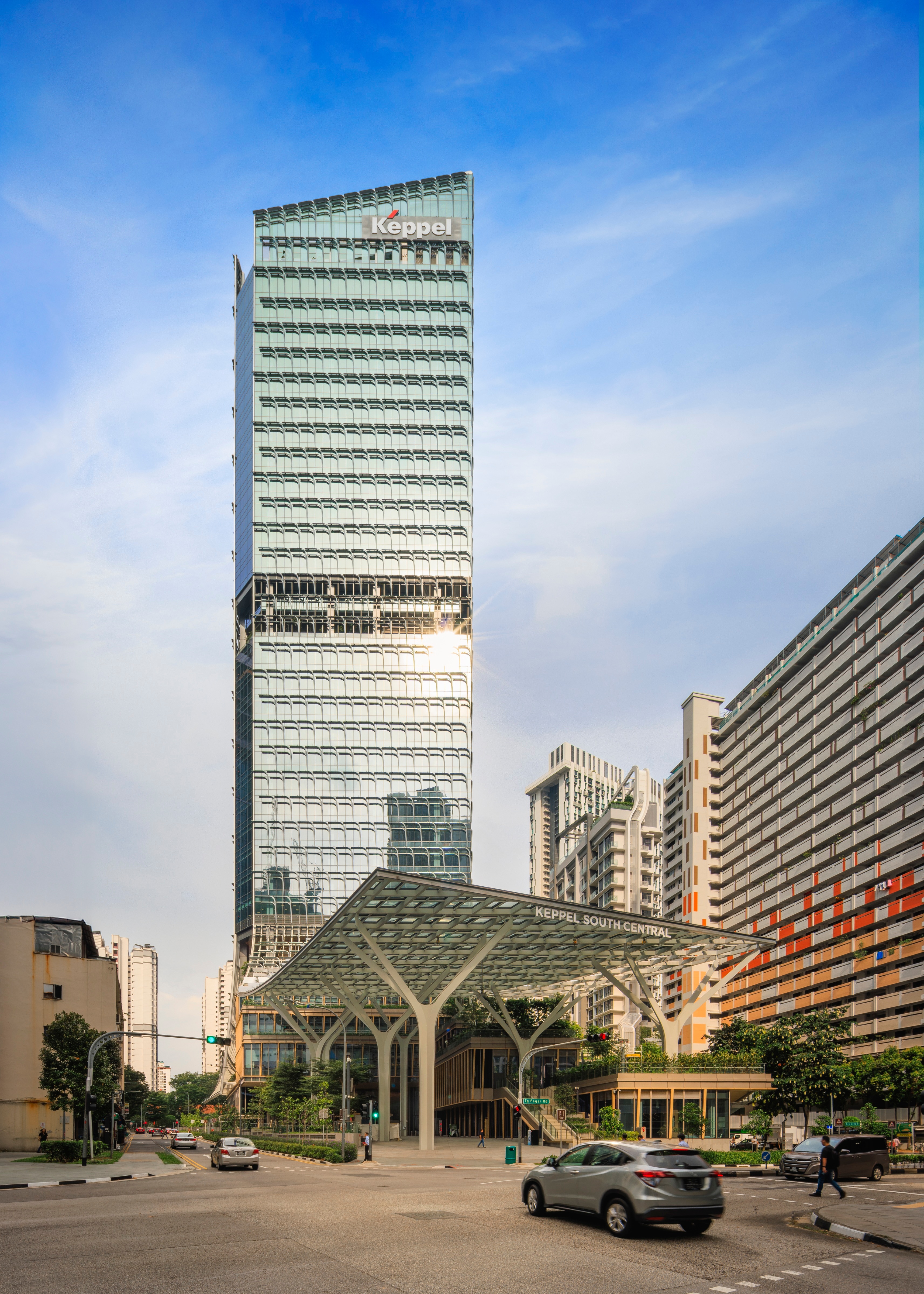
These include the Keppel Sakra Cogen Plant, Singapore’s first hydrogen-compatible cogeneration power plant, and Keppel’s Sustainable Urban Renewal strategy, which upgrades older real estate assets to improve energy efficiency.
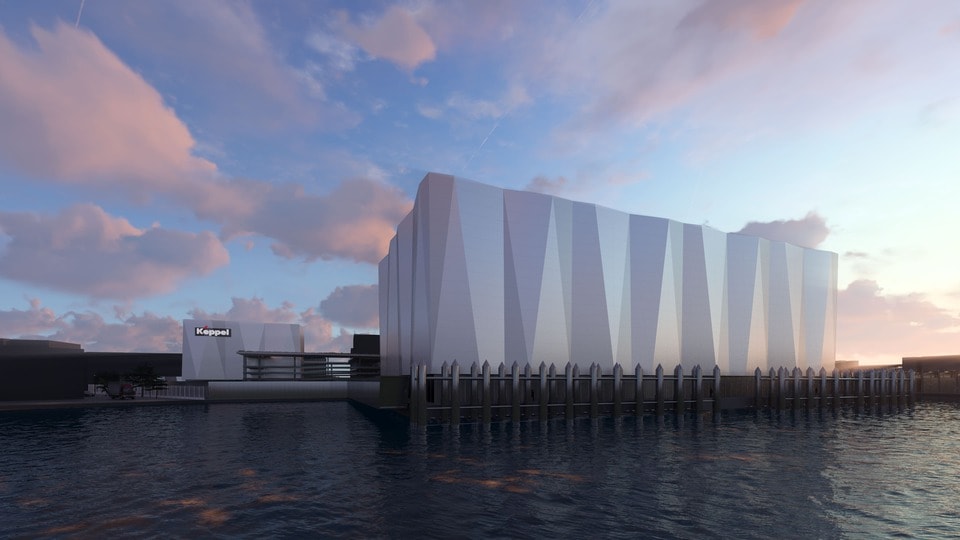
Keppel has also been investing in, building, and operating data centres, and is the joint build partner of the Bifrost Cable System — the largest high-speed transmission cable across the Pacific.
The road ahead
The work to grow New Keppel continues, as the company looks to realise the full potential of its new business model.
“Through our integrated ecosystem, we can offer attractive investment opportunities for our limited partners, and also undertake capital-intensive projects, without being constrained by our own balance sheet,” says Loh. “At the same time, we are able to derive long-term recurring income from the management, operation, and maintenance of the assets.”
In practice, this gives Keppel more room to scale without tying up as much of its own capital.
In the face of megatrends such as climate change, digitalisation, and AI, Temasek — Keppel’s largest shareholder — supports the company’s strategic shift. Its Portfolio Development team will continue to engage with Keppel as it builds on its strategy to deliver lasting value for investors and the wider public.
This shift reflects how companies like Keppel are aligning growth with long-term sustainability trends, delivering both resilient returns and real-world impact.
“We are confident in Keppel’s future,” Eng adds.
Our Singapore DNA spotlights how home-grown companies in Temasek’s portfolio have evolved and expanded on the global stage
Discover how Temasek works closely with these businesses to innovate and drive impact – by building long-term value, driving sustainable growth, and fostering meaningful change for people and communities.


.jpg)