Close

AI and the Energy Transition: Enabling Efficiency while Managing Trade-offs

AI and the Energy Transition: Enabling Efficiency while Managing Trade-offs

Minute Read 0 views
In brief
  • AI and the energy transition are becoming increasingly interconnected, as artificial intelligence supports grid optimisation, renewable energy forecasting, grid flexibility, and improved use of storage assets.
  • Sustainable AI depends on whether efficiency gains can outweigh the electricity, water, cooling, and infrastructure demands driven by data centres and AI workloads.

  • In Southeast Asia, rising AI infrastructure investment is sharpening the need to align digital growth with energy security, affordability, and decarbonisation.

  • The strongest opportunities lie where AI-enabled resource efficiency can deliver measurable outcomes, from lower industrial energy use to more resilient power systems, greater renewable integration, and reduced emissions.

Using AI can feel weightless: we enter a prompt, an answer is returned, and a decision is made in seconds. From a resource perspective, it is anything but. Every AI interaction depends on physical infrastructure — chips, servers, cooling systems, substations, and power grids.

As AI adoption accelerates globally, energy systems are increasingly under the spotlight due to their convergence with digital infrastructure. In 2024, the International Energy Agency (IEA) estimated that global electricity demand from data centres could more than double by 2030, driven partly by AI workloads.

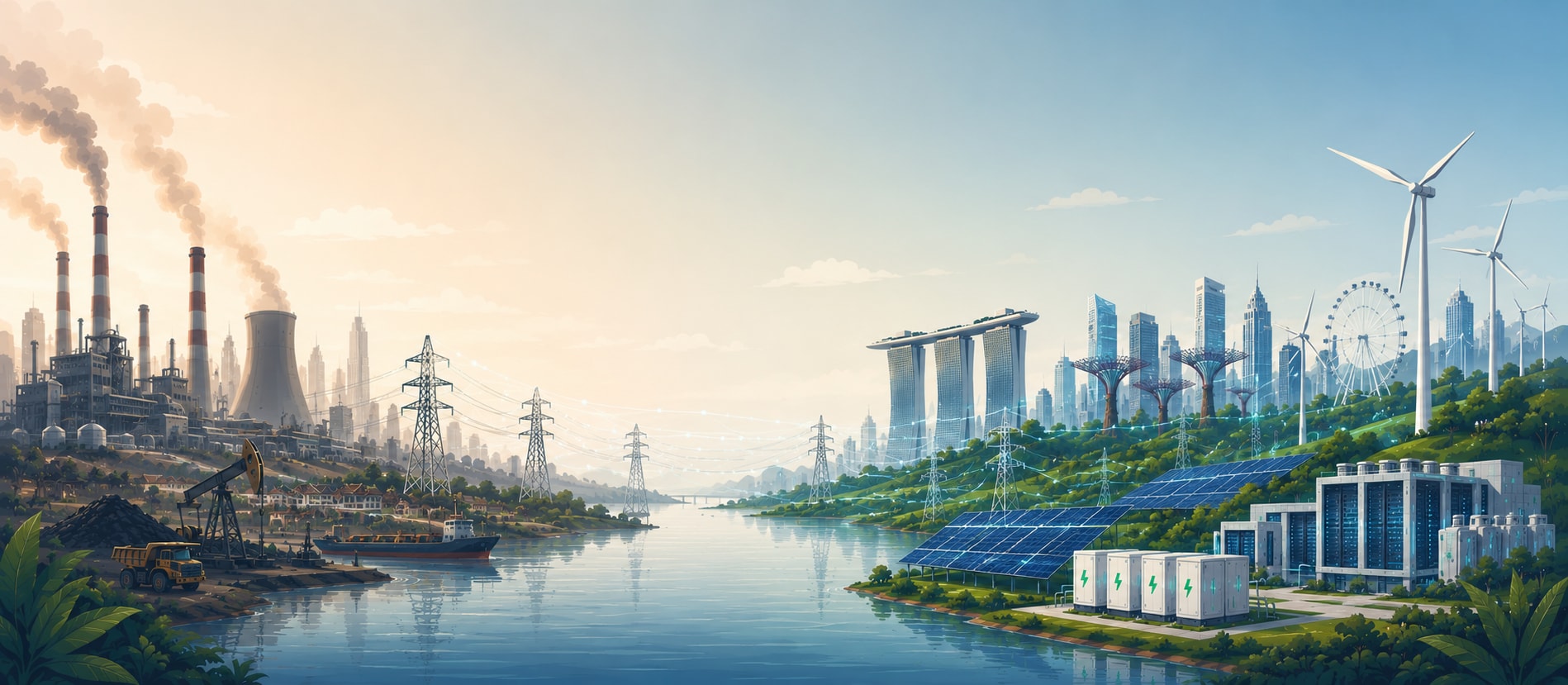
In Southeast Asia, this convergence is increasingly being described as a “dual transition”: the simultaneous expansion of the digital economy alongside the deployment of lower-carbon energy systems. The Dual Transition – AI x Sustainability Series: Chapter 1 report, launched at Ecosperity Week 2026 and produced by Standard Chartered Bank, in partnership with Ecosperity, Temasek, and Singapore Green Finance Centre, estimates that Southeast Asia’s AI infrastructure investments could rise from US$11 billion in 2025 to as much as US$194 billion by 2030, alongside a projected 5.8x increase in AI-related energy consumption.

AI is therefore becoming both a driver of energy demand and a potential enabler of the energy transition itself.

Power systems across Southeast Asia already face rising demand, decarbonisation pressures, and climate-related disruption. AI infrastructure adds further pressure because it requires reliable electricity, cooling, water and grid capacity to scale — while also offering tools to improve the efficiency and resilience of those same systems.

The sustainability of AI in this transition depends on whether these system-level efficiency gains outweigh the additional resources required to power it.

Where AI creates measurable value

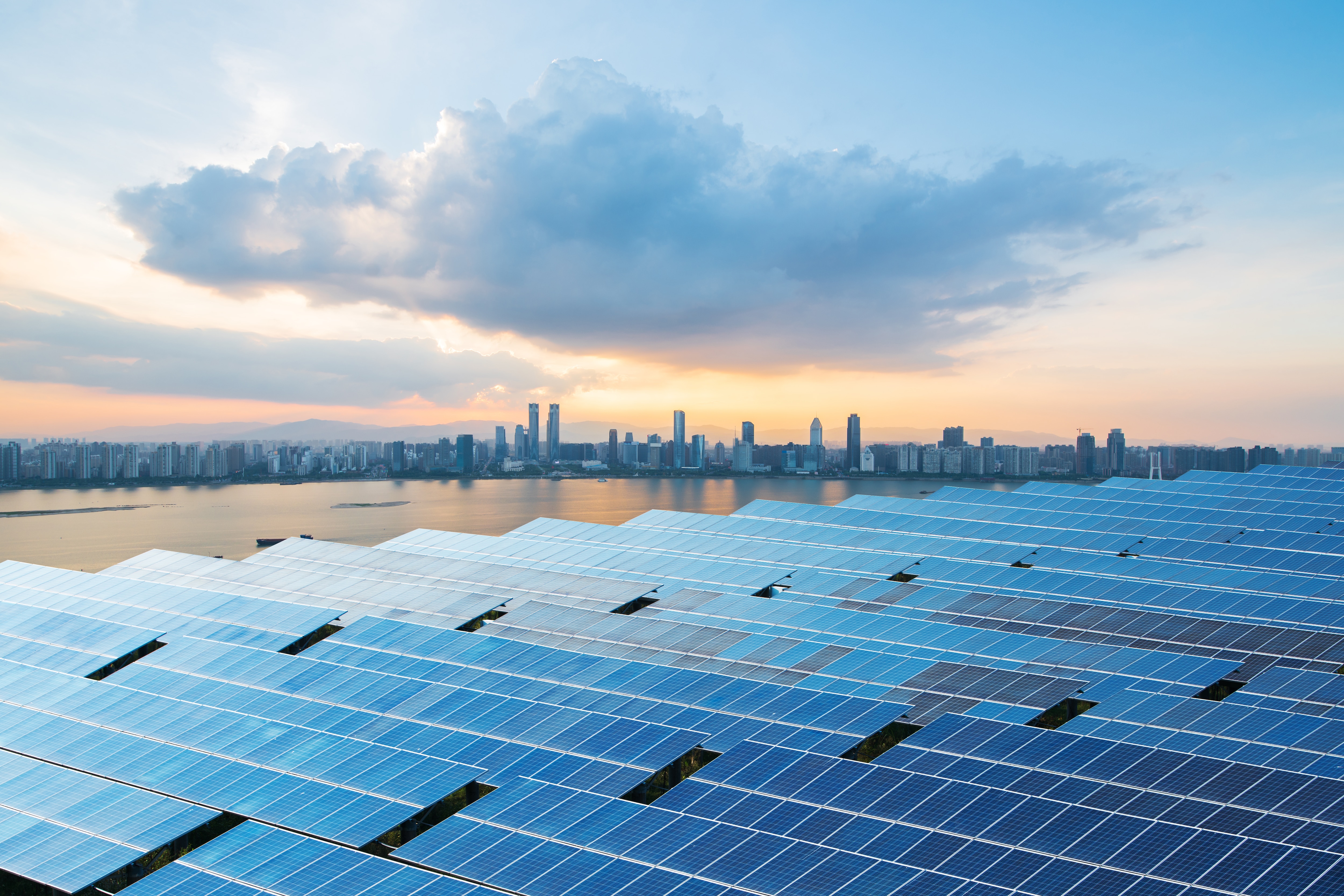
As more renewables enter the grid, electricity systems are becoming more variable and less predictable, with output increasingly shaped by weather conditions rather than steady generation sources. AI is increasingly supporting this operational layer of the transition – improving forecasts for renewable generation and electricity demand, enabling earlier fault detection, and optimising the use of grid and storage assets. As energy systems become more decentralised and diverse – with renewables, batteries, electric vehicles, and distributed assets interacting dynamically – AI-enabled orchestration can help operators manage this growing complexity in real time, while enhancing grid flexibility and resilience.

1006787977

As more renewables enter the grid, electricity systems are becoming more variable and complex

The IEA estimates that AI-enabled optimisation and advanced grid management could increase transmission capacity by up to 175 GW without building new lines – highlighting how software and operational intelligence can complement physical infrastructure expansion.

The strongest sustainability case for AI lies in reducing inefficient resource use. In energy systems, inefficiency often appears as wasted renewable generation, avoidable fuel consumption, and poorly timed maintenance – each carrying both a financial cost for operators and a sustainability cost for the wider system.

For investors, operators, and policymakers, this raises the bar for deployment. AI cannot be assessed purely on technical capability alone; it must also demonstrate measurable operational, economic, and sustainability outcomes.

In The Private Capital Opportunity in AI-Enabled Climate and Sustainability Sectors report, jointly produced by Boston Consulting Group (BCG) and Temasek, and launched at Ecosperity Week 2026, current AI capabilities are estimated to unlock approximately US$600 billion in annual global value across climate and sustainability sectors through improvements in resource efficiency, industrial performance, grid flexibility and resilience.

Some of the largest opportunities are expected in industrial systems efficiency, grid optimisation, and system flexibility management — areas where operational improvements can simultaneously lower costs, improve reliability, and reduce emissions intensity. The wider opportunity map also points to adjacent areas such as building energy management systems and district heating and cooling, which are increasingly relevant as urban energy demand and cooling needs rise across Asia.

For example, BCG and Temasek estimate that AI-enabled industrial systems efficiency alone could generate around US$300 billion in annual value by 2028, while potentially reducing industrial Scope 1 and 2 emissions by an estimated 0.6 gigatons annually.

AI’s sustainability value ultimately depends on whether those efficiency gains can be clearly measured against the resources AI itself consumes.

The trade-offs

As McKinsey notes, AI adoption in Southeast Asia is gaining stronger momentum than the global average, with organisations moving beyond experimentation and embedding AI across core operations. At the same time, the physical infrastructure behind AI is also becoming a more visible part of the region’s energy transition. The same technologies helping optimise energy systems are also creating new sources of demand.

In Southeast Asia, the growth trajectory is particularly sharp. The Dual Transition – AI x Sustainability Series: Chapter 1 report, launched at Ecosperity Week 2026 and produced by Standard Chartered Bank, in partnership with Ecosperity, Temasek, and Singapore Green Finance Centre, estimates the region may require up to 9–15 GW of additional energy deployment to support AI-driven demand by 2030. It also points to the wider infrastructure needs behind AI growth, including data centre construction, IT equipment, cooling, power, and grid capital expenditure.


Southeast Asia's AI infrastructure investments could rise from US$11 billion in 2025 to as much as US$194 billion by 2030

This raises an important question for policymakers and the industry: can AI-driven growth be aligned with decarbonisation pathways, or will the rising digital demand outpace energy transition progress in some markets?

The pressure will not be evenly distributed. Singapore’s role as a digital hub, Johor’s emergence as a major data centre corridor, and the wider build-out of AI infrastructure across Southeast Asia all point to a shared regional challenge: which markets can host AI infrastructure while keeping power systems reliable, affordable and progressively cleaner?

The answer will increasingly depend on more than generation capacity. Grid readiness, access to low-carbon electricity, cross-border power integration, water availability, land use, and project bankability will all shape where AI infrastructure can scale responsibly. 

There are early signs of the opportunity. The Dual Transition – AI x Sustainability Series: Chapter 1 report notes that major digital infrastructure developers and operators in Southeast Asia have made renewable energy commitments, and data centre operators in the region have secured power purchase agreements totalling up to 2 GW of renewable capacity.

Sustainable AI ultimately depends on whether digital infrastructure planning can be aligned with long-term energy and decarbonisation pathways. The goal is responsible scale, rather than scale at all costs.

Deploying AI Sustainability

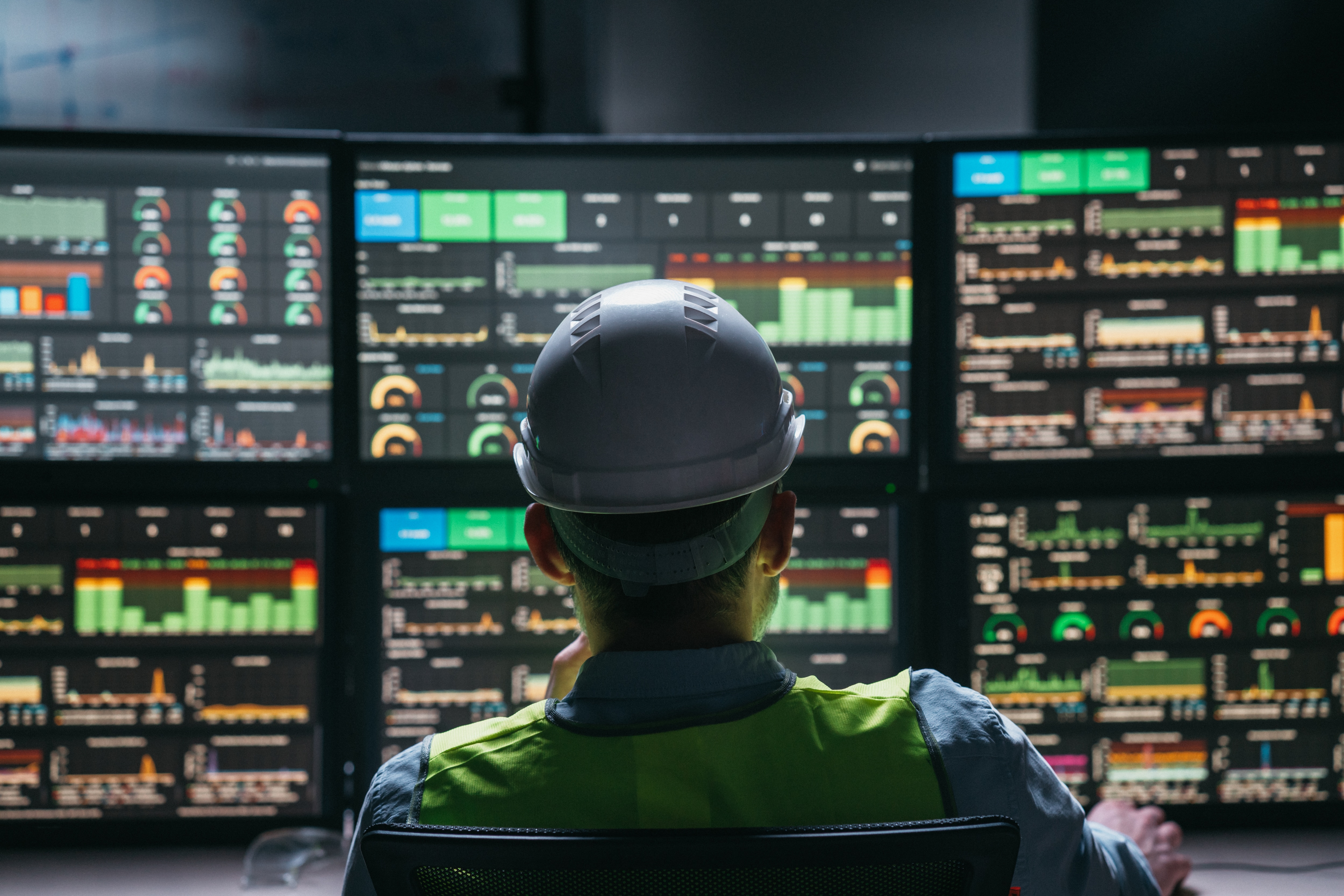
Energy systems cannot adopt AI the way companies deploy conventional productivity tools. In critical infrastructure, systems require transparency, explainability, and clear human accountability.

The IEA notes that AI adoption remains limited in system-critical grid operations, even where potential value is clear. This is as much an investment challenge as an implementation one. Embedding AI into physical systems requires domain-specific data, integration with legacy infrastructure, operational expertise, and change management. For businesses, these requirements can slow down adoption. For investors, these same constraints help shape where durable value may emerge, because integration depth and access to proprietary operational data can create barriers to entry for later entrants to replicate.

2236288937

In critical infrastructure, systems require transparency, explainability, and clear human accountability.

The most effective deployments are therefore likely to augment decision-making, improve maintenance, and enhance forecasting while retaining accountability with skilled engineers and operators.

For Temasek, AI and energy are part of a broader question about how long-term systems evolve under growing resource and climate pressures.

The opportunity is not simply to scale AI, but to scale it responsibly – in ways that strengthen resilience, improve efficiency and support a more sustainable energy system over time.

Through Ecosperity, our platform for sustainability engagement and advocacy, we bring together leaders across business, policy, finance, and technology to examine how innovation can move from promise to practical progress.

As Southeast Asia navigates this dual transition, the question is no longer whether AI will shape the future of energy systems – it already is. The more important question is whether deployment can be aligned with long-term goals of resilience, affordability, and decarbonisation.

This is why the short- and long-term view matters. There is a tension between AI and sustainability, but not a contradiction. In the short term, AI will add pressure to energy systems, especially where electricity demand grows faster than renewable capacity, grid infrastructure and firm low-carbon supply can scale. Over the longer term, however, AI can become an enabler of decarbonisation by optimising energy systems, improving industrial efficiency, accelerating materials discovery and helping climate technology solutions develop faster, and potentially at lower cost.

AI will likely become one of the defining operational tools of the energy transition. But its long-term sustainability value will depend not simply on how much computing power is deployed, but on whether it enables economies to use energy, infrastructure, and resources more intelligently overall.

Top

News & Insights

Select a type of content
    Please select Stories you are interested in.
    Please give us your consent.
    Please confirm that you are not a robot.

    Subscribe to our newsletter

    Stay up to date with our latest news, insights and stories

    Select a type of content
      Please select Stories you are interested in.
      Please give us your consent.
      Please confirm that you are not a robot.