Igniting a Passion for Lifelong Learning
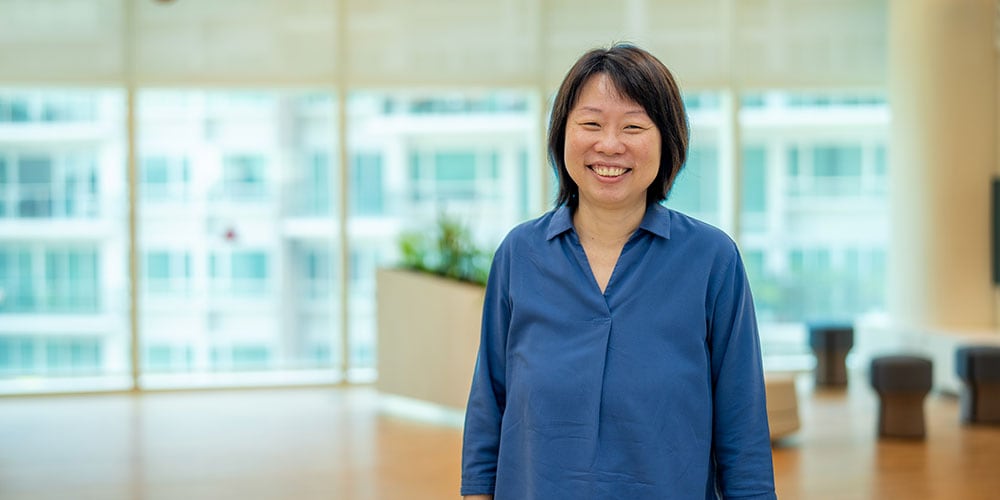
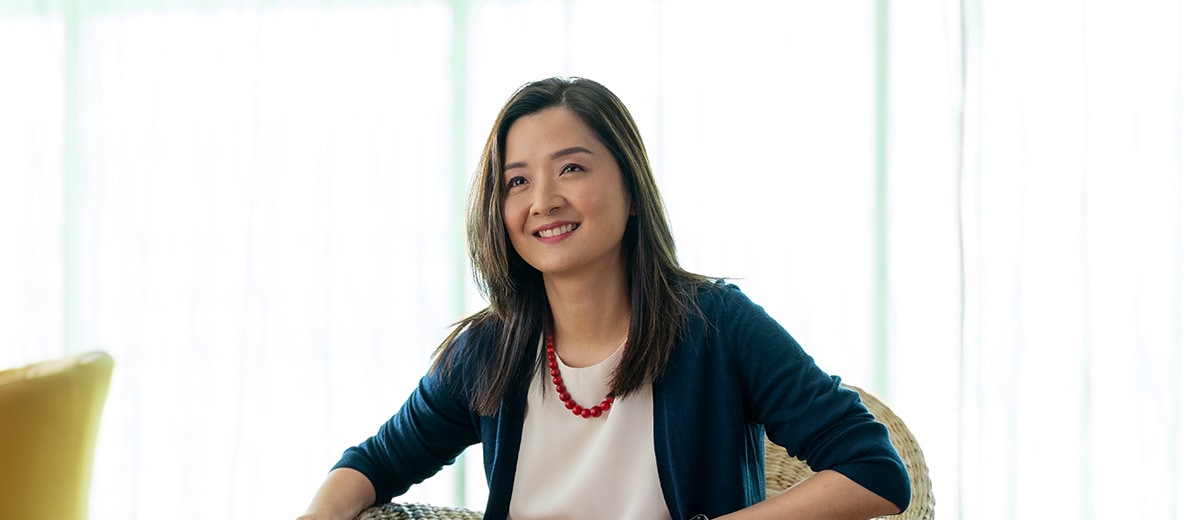
Five years into her role in Learning & Talent Development, Christine Ng realised that Temasek’s rapid growth and increasingly diverse workforce presented a unique training challenge.
By 2016, the firm had grown to more than 600 employees in eight countries, says the 46-year-old, then an Associate Director for Organisation & People. The department was juggling the training needs of people across “different time zones, different levels, and different specialisations”.
“We needed something that was flexible, and yet allow us to achieve our training goals,” says Christine. “Learning at Temasek is not simply about updating functional or leadership competencies. What we want to do is create a mindset geared towards continuous learning, which then creates a ripple effect that benefits not just the company, but future generations of employees, and the communities we engage with.”
She believed that developing a strong learning strategy and curriculum in-house, then working with vendors to deliver it, could be the answer.
“Being on the inside, we could appreciate the cultural and intergenerational differences,” she says. “On an individual level, we were well-placed to look beyond skills to motivation and what gave an individual purpose. This ensured the learning programmes we delivered would be relevant and responsive to our diverse workforce.”
Empowered to learn
She made her case – and got the go-ahead.
“Not a lot of places will give you the space to explore new approaches. Temasek does,” she says. “When it believes something could benefit the company, and if it’s practical and executable, they’ll let you try. They give you that space, and it’s something I really value.”
Over the next few months, she recruited a team of learning professionals, and began work on redesigning its approach to learning.
This included options for self-paced online learning and both in-person and virtual courses. “That really helped when the pandemic hit in 2020, since people could continue learning virtually, despite closed offices and closed borders,” she recalls. “We also created programmes for mental wellness, which was a global problem during the lockdowns.”
It comes back to flexibility, she says. “We constantly rethink our programmes and how we deliver them. Some of the things we do today may not be as relevant or exciting for future generations, for instance, so we need to be able to evolve with changing needs.”